
One of the biggest fashion trends of the past ten years is the shatush on light brown hair. People seeking a low-maintenance yet fashionable look will find this delicate highlighting technique appealing as it gives hair a natural, sun-kissed look. Light brown hair’s inherent beauty is enhanced by the subtle color combination, which gives it a more vibrant, voluminous appearance.
The fact that shatush can add depth without using stark contrasts is one of the reasons it has become so popular. Those seeking a more carefree, worn-in hairstyle will find the subtle shade shift to be ideal for a wide range of skin tones. It’s a trend that makes a discernible difference without overpowering the natural color.
Shatush’s ease of maintenance is one of its main draws as well. It is perfect for people with hectic schedules because, unlike traditional highlights, it doesn’t need to be touched up frequently. You can go longer between salon visits without losing that stylish, new look because the color fades subtly.
| Reason | Description |
| Natural look | Shatush creates a subtle, sun-kissed effect that enhances the natural beauty of light brown hair. |
| Low maintenance | The technique blends highlights seamlessly, so roots grow out naturally, reducing the need for frequent touch-ups. |
| Volume boost | Shatush adds depth and dimension to hair, making it appear fuller and more voluminous. |
| Versatile style | It suits different hair lengths and textures, allowing for a variety of styling options. |
- Features of the shatush technique on light brown hair
- Selection of tone and shade of paint
- For light hair
- For dark hair
- 7 coloring ideas for different hair lengths
- For long hair
- For medium-length hair
- For short hair
- Shatush on light brown hair with bangs
- Shatush coloring: execution technology
- Video on the topic
- What is the difference between different coloring techniques #haircoloring #hairhighlighting #shatush #airtouch
Features of the shatush technique on light brown hair

One type of stretching and highlighting color for hair that gives the appearance of burned-out curls is called "shatush." Since light brown hair naturally tends to lighten under the sun’s rays, shatush is most frequently worn with this hair color. Shatush also describes intricate coloring that keeps a smooth transition between dark and light hues at the tips. It’s done with foil in a closed technique.

One benefit of coloring is that it’s one of the few methods that doesn’t harshly alter the hair; additionally, it’s a good "test drive" for people with light brown hair who wish to go blonde.
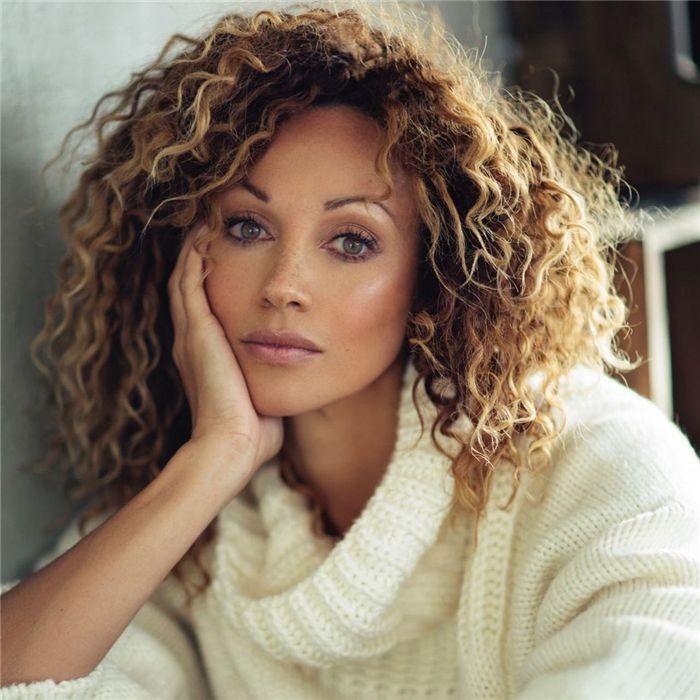
Another benefit is that shatush doesn’t need to be updated as frequently as full coloring, for instance. Even six months after your last salon visit, your hair will still look well-groomed.
Selection of tone and shade of paint
For light hair
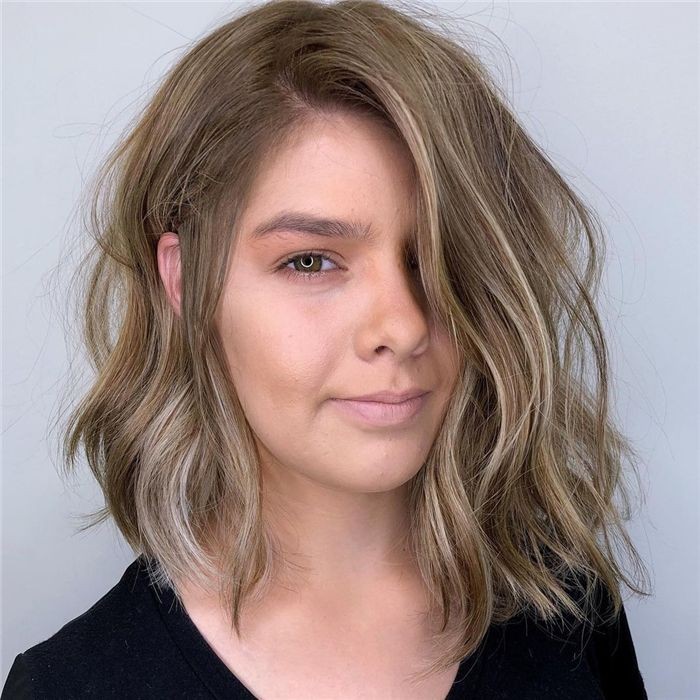
The most common shades, such as ash, golden, caramel, and wheat, will make it appear entirely new even though they are slightly paler than the primary color.
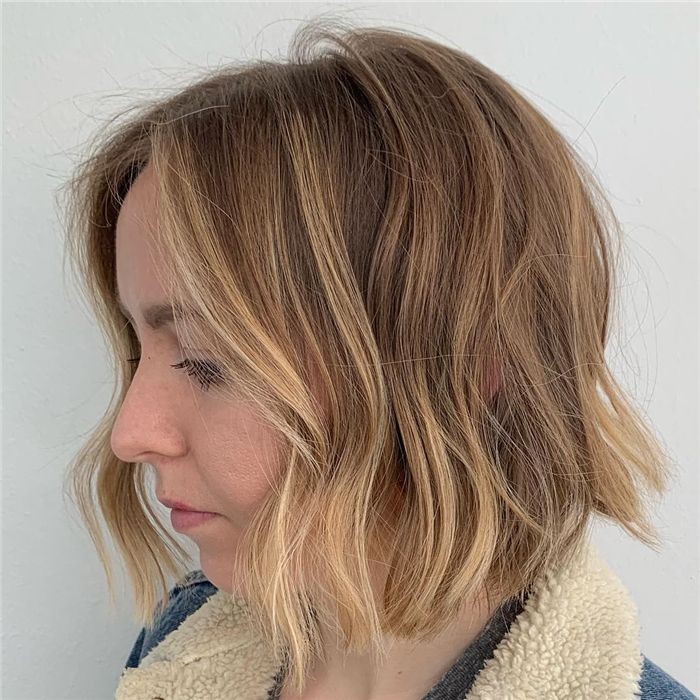
Shatush will also work better with a color scheme. Opt for delicate pastel hues of lavender, pink, and purple as they are currently fashionable.
For dark hair
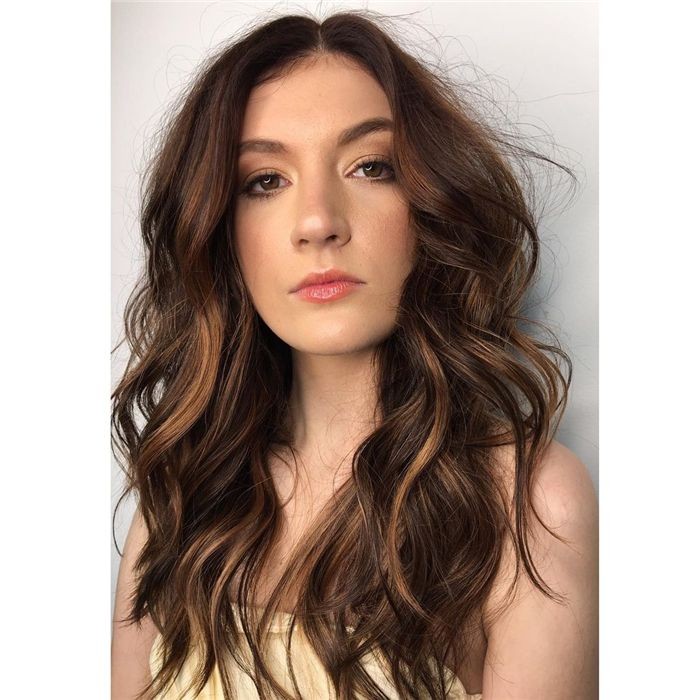
Shatush that is one or two tones lighter than your natural hair color can help you achieve a natural-looking dark blond base. Pastel and bright colors that contrast well with curls will also look fantastic. It’s important to take into account the contrast between warm and cold tones. For instance, the same gentle and warm tones of gold and honey go very well with a delicate nut-blond. A base of ash blonde that has a noticeable dusty effect is perfect for pairing with cool light hues. Thus, you can select ash blond from the classic tones or rose gold or pastel lavender from the colored ones.
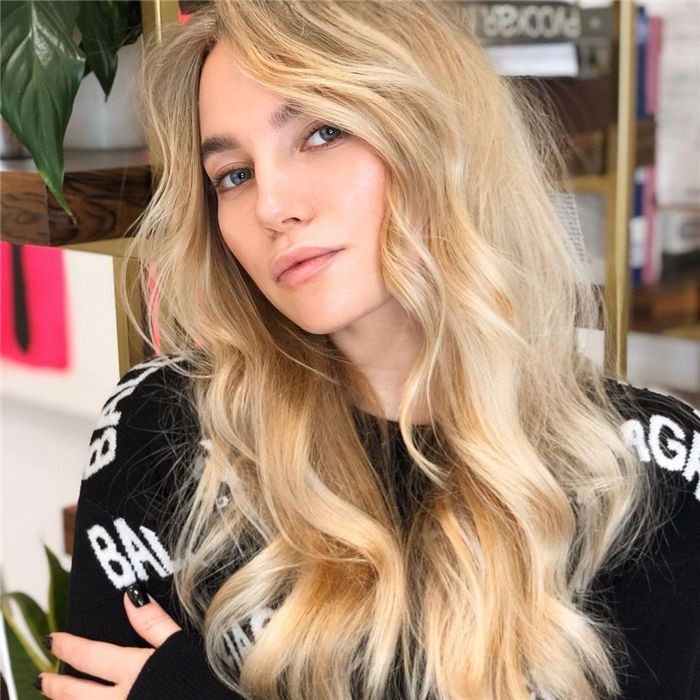
These tones can be found in the L’Oréal Professionnel palette Dia Richesse. In general, the Color Sync u Matrix range has great colors for shatush, with over 30 light shades that can be used for color correction, updating, or toning.
7 coloring ideas for different hair lengths
It’s interesting to note that shatush works well for changing the texture and shape of curls in addition to adding color to the hair. That’s why it’s so simple to add more personality to a short hairstyle and apparent structure to long hair when it comes to not styling.
For long hair
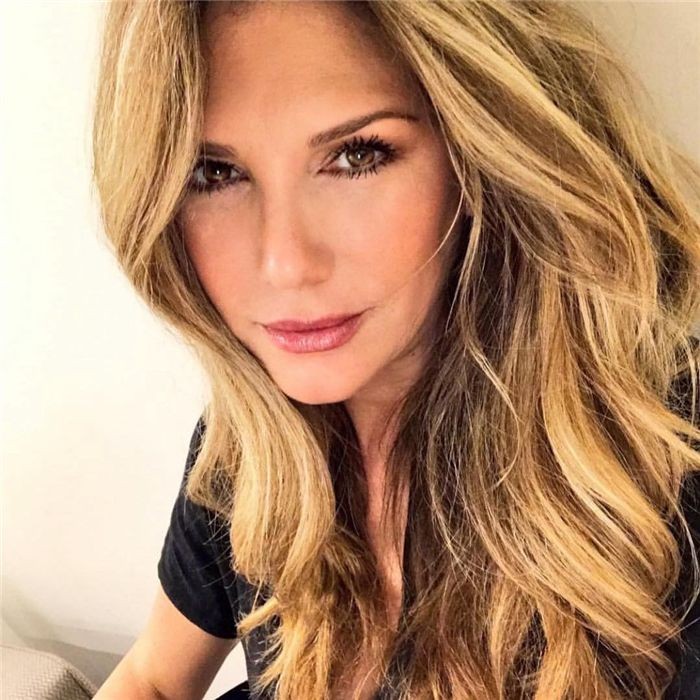
The most fashionable hairstyle consists of three elements: long blond hair, ash blonde hair, and curls. Here, the coloring can be high to highlight the color of the entire hair or low to only shade the ends.
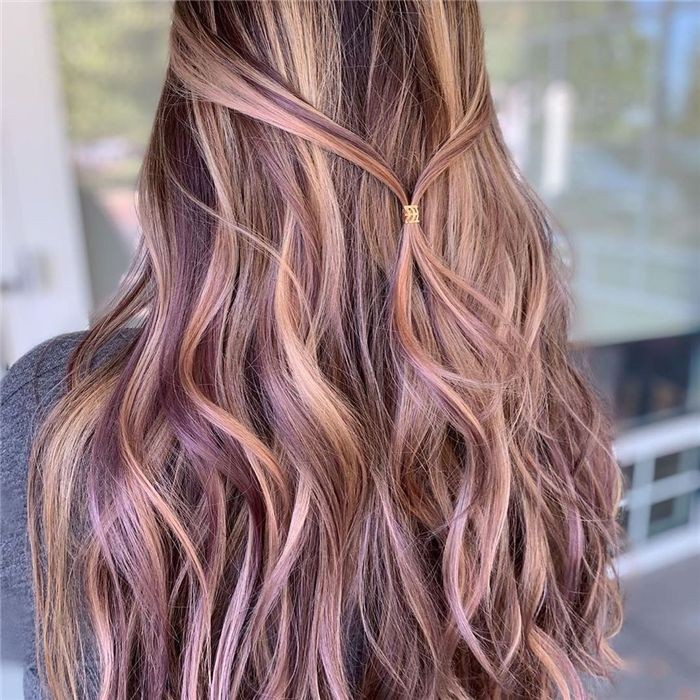
Colored shatush looks best on long curls. In this instance, the coloring tone may be subdued and slightly shade the base shade rather than bright.
For medium-length hair
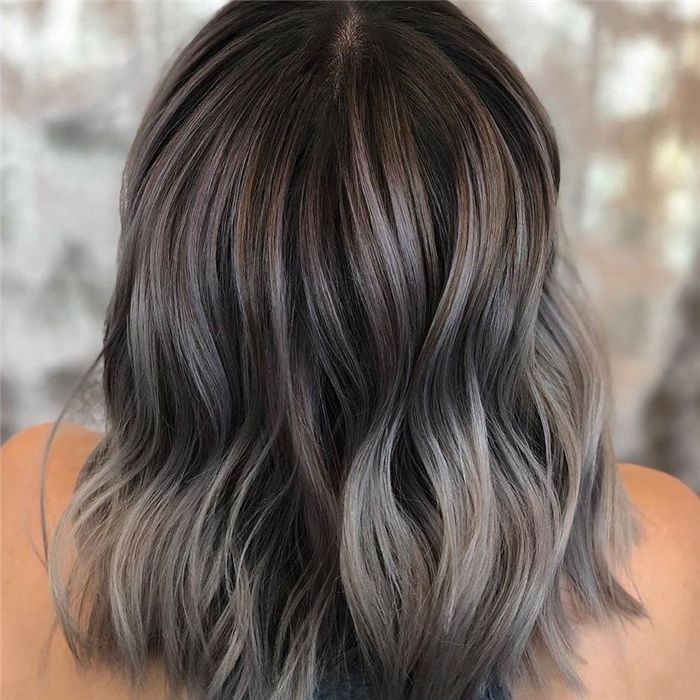
Shatush on medium-length hair has the same meaning as on long-length hair: the curls are dyed to highlight specific strands with color highlights. Gray and metallic shatush hues are essential for people with medium-cut hairstyles. The hairdo takes on a new color and shimmer thanks to these tones.
For short hair
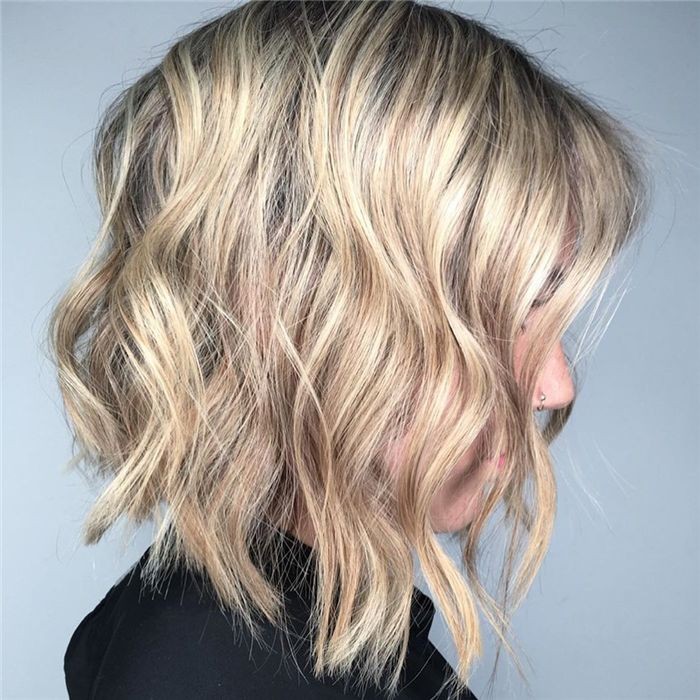
Shatush gives short curls the ideal amount of volume. The lower third highlights give the hair a more massive appearance and define the haircut’s shape.
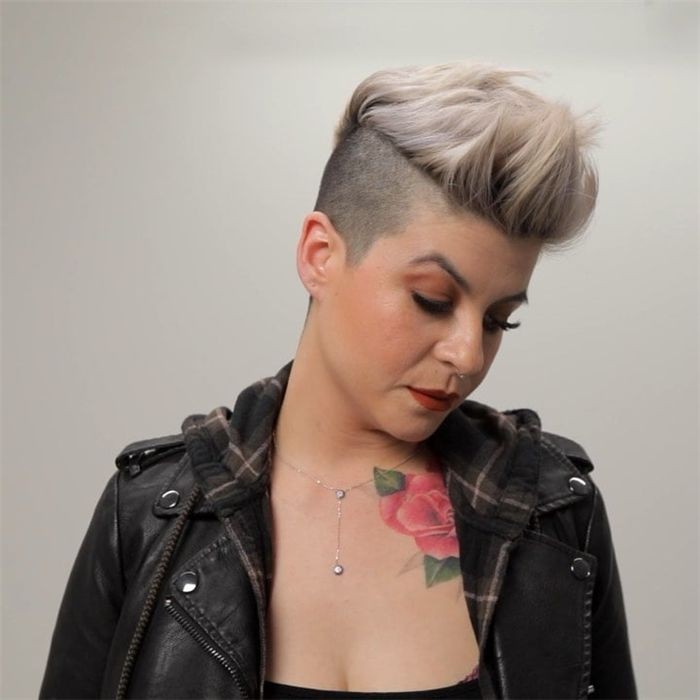
Using shades that are as close to the natural hair color as possible is a good choice for bob and pixie cuts. This is a universal solution that is particularly fashionable right now.
Shatush on light brown hair with bangs
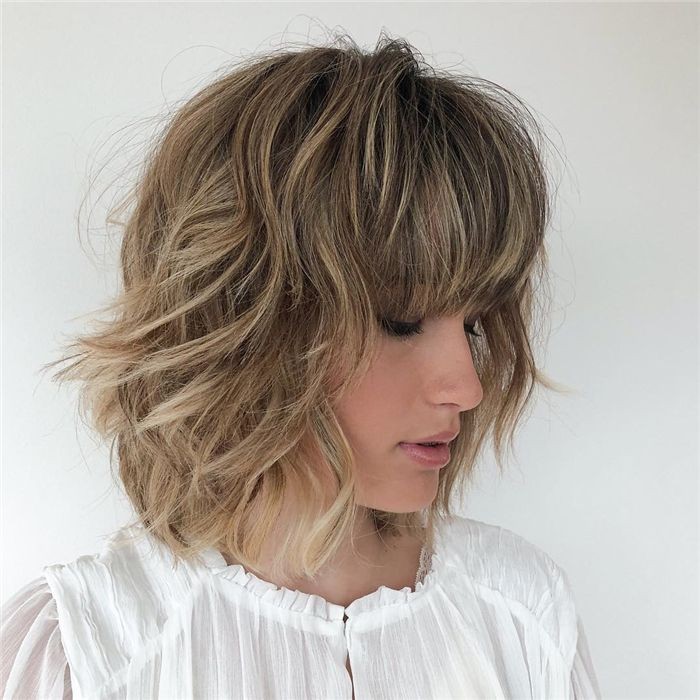
Should you dye your bangs? When coloring your hair with intricate techniques, especially shatush, it’s important to ask yourself this question. In order to create a more contoured and youthful-looking appearance, it is possible to use highlights on the upper portion of the face if the bangs are longer on the sides. If the bangs are straight and short, they can be left undisturbed. By doing this, the textures will remain balanced and the hair’s crown won’t draw attention away from the rest of the picture.
Shatush coloring: execution technology
When compared to other forms of complex coloring, the technique’s primary advantage is the way color is distributed through combing.
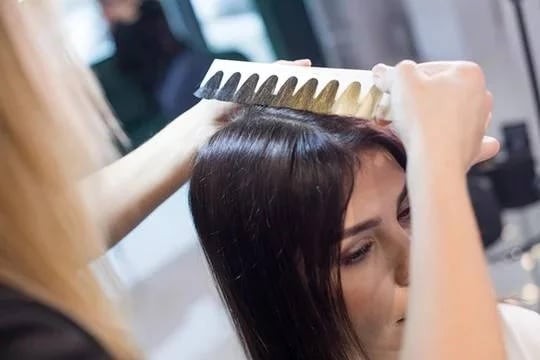
Shatush can be executed in multiple ways at the same time. The mildest method is to dye the ends of the blocks in a mixture of paint and 4% oxidizer before increasing the percentage within the composition. This enables you to take better care of the curls and keep them healthy. In this situation, working with professional paints is the only option; additional information about these paints can be found in a dedicated article. The coloring process then starts.

- The curls are divided into blocks – lower occipital, upper occipital, two temporal blocks and parietal.
- Starting from the lower zone, the curls are divided into thin strands and combed out one by one.
- A coloring composition is applied to each curl, which is shaded with a brush from the ends (or middle) to the root zone.
- Next, the curls are wrapped in foil and kept for the required time.
- The composition is washed off with conditioner and then the curls are styled.
Shatush done correctly ensures a lovely outcome, but it can be challenging to duplicate at home. You can do balayage or ombre on your own hair to add highlights; these are open techniques that are not too hard to execute. Even so, coloring requires specific abilities and superior supplies. We highly advise getting in touch with a salon for a transformation, as there’s a good chance the hair will need to be restored for a very long time otherwise.
Shatush on light brown hair has grown to be a popular choice due to its organic, sun-kissed appearance. It is a flexible choice for people who desire a subtle transformation because it brings out the beauty of light brown hues without creating stark contrasts.
Another factor in this technique’s popularity is how low-maintenance it is. It’s a sensible option for modern lifestyles because you can enjoy a highlighted, fresh look without having to go to the salon frequently.
Shatush is still one of the most popular hair coloring trends because it provides a classic elegance. It keeps the soft, natural finish while bringing out the best in light brown hair.
Because it produces a natural, sun-kissed look that accentuates the hair’s natural tones while adding depth and dimension, shatush on light brown hair has grown to be one of the biggest trends of the decade. Its smooth, blended highlights provide a low-maintenance look that ages gracefully, making it ideal for anyone looking for a modest but fashionable update. Light brown hair looks great with this technique, which gives it a modern, fresh look that’s both adaptable and effortlessly stylish.


