
Sometimes we say “silence,” but we mean something completely different. The silence after a quarrel, when words hang heavy in the air. The silence of waiting in an empty apartment. Silence that is actually full of unspoken words — questions, reproaches, hopes. It is not just the absence of sound. It is a separate space that we often try to fill with anything, just so we don't have to hear it.
The phrase “fill the silence” sounds like a contradiction. How can you fill something that is already silent? But in reality, we do it all the time. We turn on the TV for background noise, scroll through social media feeds, and drown out our inner dialogue with a stream of tasks. We are afraid to be alone with this silence because in it, we suddenly hear our own thoughts, anxieties, and unresolved issues.
In this article, we will try to understand what really lies behind our habit of avoiding silence. Perhaps it is worth not “ignoring” it, but trying to hear it. After all, sometimes it is in silence that the most important answers are born.
Sometimes the hardest thing is not to speak when you want to scream. “To break the silence” means not to fill the void with words for the sake of words, but to pause, listen to yourself and to the other person. This is not weakness, but strength: the ability to be silent helps us hear what remains behind the scenes — resentment, fear, hope. Real communication begins not with a response, but with our ceasing to fear silence.
About a cartoon without a plot
About cartoons without a plot
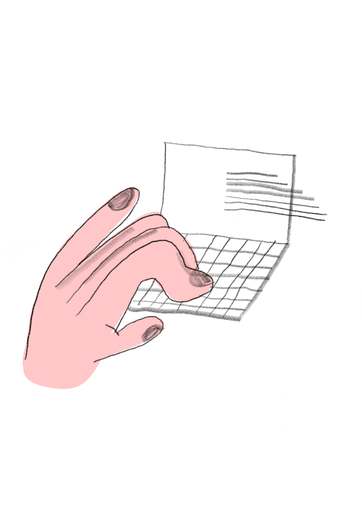
My cartoon doesn't have a plot—it's more of an emotional collage about loneliness as an integral part of our lives. I usually work with themes that excite me the most. I started working on my thesis for HSE in 2023, when I emigrated to Berlin, Germany, and at the same time began studying there [at the Weißensee Academy of Art]. At that time, the themes of loneliness and loss seemed most relevant.
It took 6-7 months from the initial idea to the finished cartoon. The animation itself took a month and a half to two months. This doesn't happen to me often, but this time I couldn't get started on the topic for a long time — it seemed too broad and emotional to me — and the picture in my head wasn't coming together either. That was probably the main difficulty: I wanted to show so many things. I just had to force myself to sit down and draw — time was running out. Initially, I planned for the cartoon to be about 10 minutes long, but in the end, “Breaking the Silence: Ways to Spend Time Alone” is two and a half minutes long.


About Olivia Lang and Yuri Norshtein
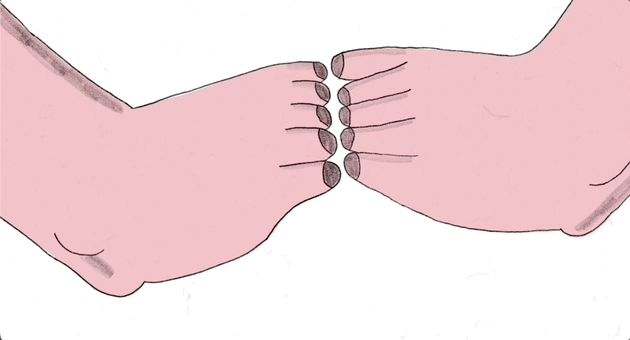
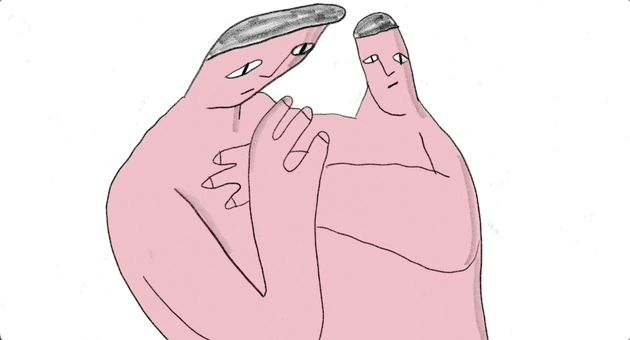
During the preparation stage, I conducted an anonymous survey using Google Forms, sent it to everyone I could, and asked people to share moments in their lives when they felt particularly lonely and how they spent their time alone. I received so many stories that it was difficult to limit myself. I also read Olivia Lang's Lonely City, which explores loneliness through the eyes of Warhol, Hopper, and Darjeeling. This book and the responses from Google Forms were probably my main sources of inspiration. There were no clear visual references—I try to stick to my own style. Of course, many people have influenced its formation: Yuri Norshtein showed me that sad, melancholic animation can also be funny, poetic, surreal, and playful. I think I learned how to do transitions from contemporary animator Alexander Svirsky (winner of the Multimedia Art Museum Award, participant in the Triennial of Russian Contemporary Art at the Garage Museum. — Note from The Blueprint): his transitions are so well thought out that it's as if the character is moving from one world to another. I recently discovered Italian artist Gaia Alari (who, among other things, drew the cover of the June 2024 issue of The New York Times Magazine and worked on Coldplay's music video for “feelslikeimfallinginlove.” — Ed. The Blueprint). She also works really well with transitions and transformations. Her technique is also close to my heart: she often uses pastels and pencils.
On how to be a Swiss Army knife of a person
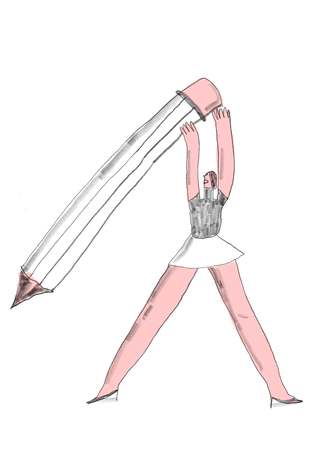
Since this is a student project, it has a zero budget. There was no team either. I don't think hand-drawn animation requires one — help is only needed at the post-production stage. I'm a Swiss Army knife kind of person: scriptwriting, art direction, animation, editing — I do it all. However, for this cartoon, for the first time in my entire studies, I entrusted the sound work to someone else. I was extremely lucky: my friend, DJ and sound artist Platon Vagin, did all the voiceovers. A couple of days before the cartoon was due, I sent him the edit and asked if he knew anyone who could do a good voiceover — urgently and not too expensively. He said, “I'll do it right now.” A few hours later, Platon sent me the finished version.
The voices belong to my friends. I asked them to trust me and give me a short interview in the form of a personal diary: to talk about their experiences of loneliness. I sent them some preliminary questions. The editing created the effect of a dialogue. A voice collage.
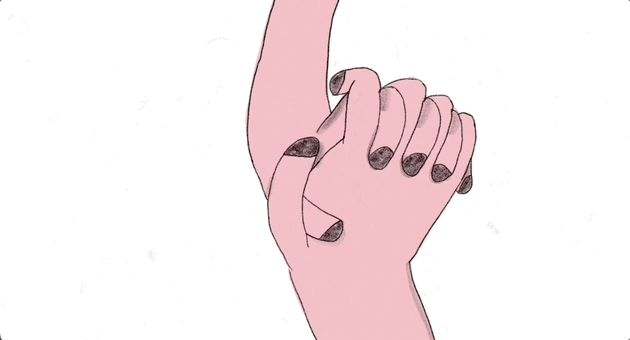
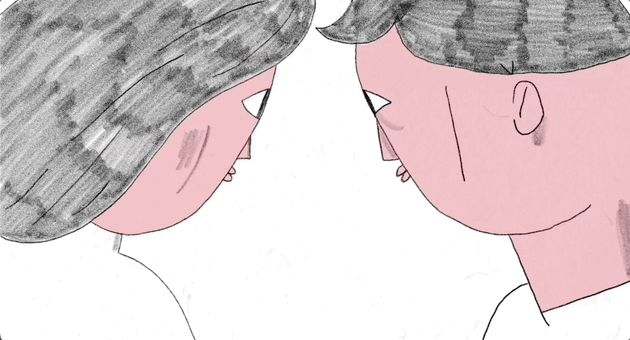
About my own style and complaints from teachers
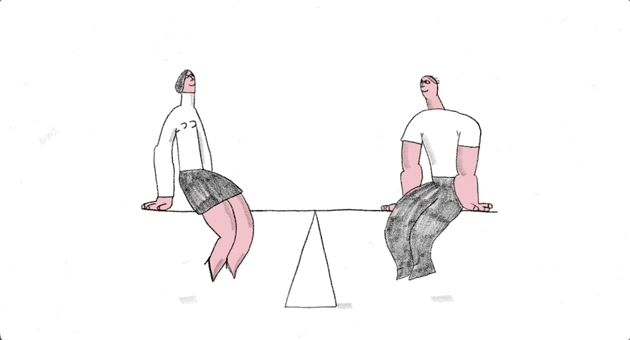
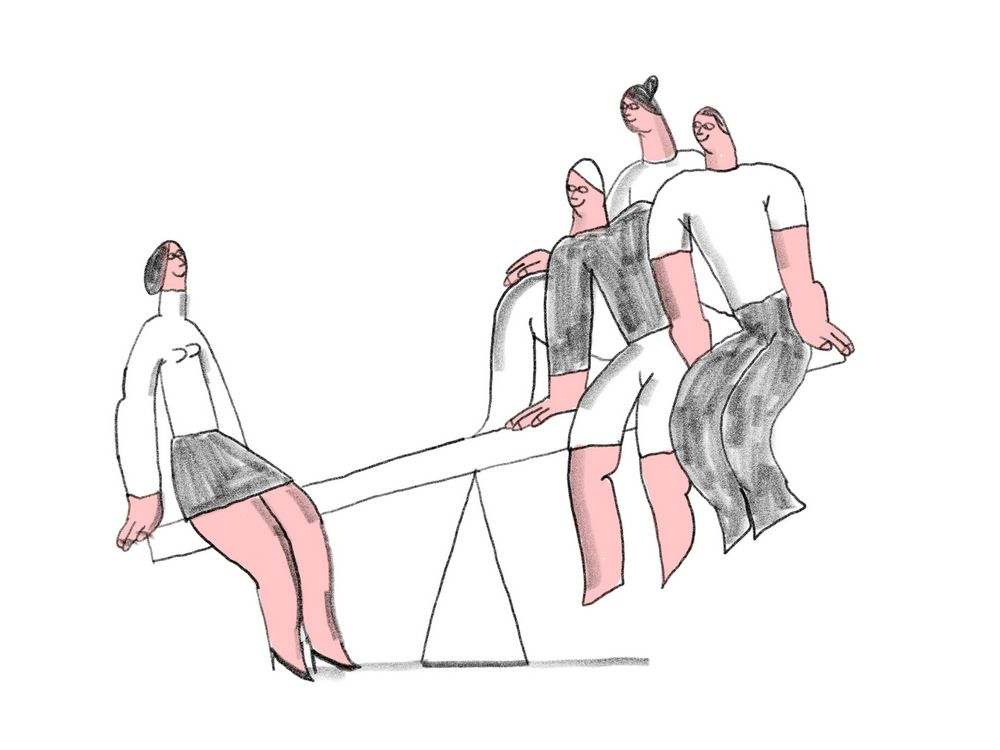
During the preparation process, I only showed the cartoon to my supervisor at HSE, Polina Campioni. She advised me to add more background to the frame. During my studies, this was my main problem: teachers complained that I produced images without backgrounds, with a minimum number of characters, and with very simple compositions. But I have always been most attracted to such minimalism. Thank you, Polina—at the screening, she said, “Well, that's Zhenya's style.” That motivated me: it gave me confidence that I could do something.
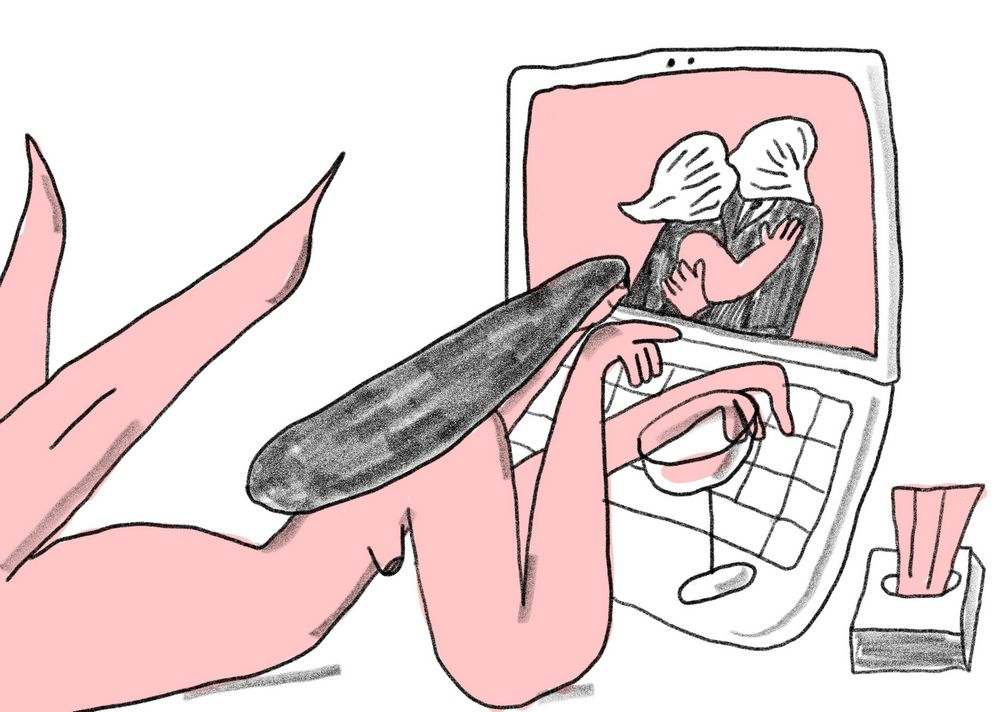
The phrase “to break the silence” seems strange and contradictory at first glance. But this strangeness is where its main meaning lies.
It reminds us that silence comes in many forms. There is the silence of emptiness, and there is the silence that speaks louder than any words. Sometimes silence is the most honest and complete response to what is happening around us.
Thinking about this phrase, we begin to appreciate pauses in conversation, moments of quiet contemplation, and silent understanding between people more. Perhaps the best way to deal with oppressive silence is not to break it with words, but to accept it and live through it, hearing what it wants to tell us.


