
Coming up with a name for a children's clothing brand is similar to choosing a name for a child. It will be with them everywhere, and both parents and friends will say it. It is the first and most important impression that people will have of your brand.
A good name is not just a pretty word. It should reflect the essence of your clothing: its style, quality, and values. Will it be cozy everyday clothes for toddlers or bright and bold items for teenagers? The name should hint at this at first glance.
Let's figure out what to look for when choosing a name. How to find that one word that will be memorable, inspire trust and warm feelings, and become a reliable foundation for the future success of your business.
- Olga Kalinichenko
- Alevtina Didyk
- Ekaterina Dvornikova
- An app for the select few: will Ozon Select change the rules for brands and buyers?
- 3 days, 200+ light industry factories, 10 countries: don't miss out on the leading industry event
- For vacant seats. Why and how local clothing store chains are growing
- The puzzle method
- Why cotton shopping bags are no longer environmentally friendly
Olga Kalinichenko
internet marketer, founder of a naming agency and internet marketing “SlovoLov”

Olga Kalinichenko
The naming of children's brands is aimed at mothers – they are the ones who most often choose clothes for their children, so when developing a name, it is necessary to find and address their insights. For example, mothers subconsciously seek support from brands in caring for their children or want to show their love and tenderness towards their babies through products.
In the newborn segment, the name should evoke only positive emotions, which are so important after childbirth, when mothers have a lot of worries about their babies. Mothercare or Lucky Child are ideal names for expressing love. For example, Italian children's clothing manufacturer Chicco, “grape,” “raisin,” chose this name because it is associated with tenderness, affection, and kindness. And also because for a mother, a child is the highlight of her life.
In the segment of clothing for older children, names of cartoon characters that mothers hear from their children every day are appropriate, as are names that speak to the quality of the clothing itself and convey the insight of caring for the child. For example, the brand of warm outerwear ArctiLine communicates that these clothes will keep you warm even in Arctic frosts. The Stilnyashka brand will be chosen by mothers who want their children to look stylish.
The main condition when developing a name is that it must correspond to the brand's positioning. A brand is first and foremost an idea that can be conveyed in various ways through words. Below are the main ones. Reflecting the brand's direct purpose in the name. Example: Kids Brand – the name directly indicates its purpose.
An associative approach to naming – naming based on associations. Examples: PlayToday — the name indicates the functionality and comfort of items that do not restrict children's movements, even during active play; Unusual offers products that help parents emphasize the uniqueness of their children. Acoola — if the name were written in Russian letters, it would be a strange name for children, but it refers to the English word “cool,” using slang from teenagers. A sonorous name with rhyme and rhythm – such names are well received and memorable. Examples: “Daughters and Sons”, “Tip-Top”.
Using the name of the founder or their relatives (often children) is the most common method. Examples: Stella Kids, Alisa, Antoshka, Kapitoshka.
The name may not be related to the product — often such names are born out of the founders' strong attachment to an object or personality. For example, the children's clothing brand OLDOS is named after Aldous Huxley, author of the dystopian novel Brave New World.
A name that reflects humor, magic, and fairy tales. Imps+Elfs offers fun children's clothing. Gulliver, the name of the main character in Jonathan Swift's novel, conveys the concept of a children's clothing brand “like adults.” Crockid comes from the English words crock, meaning “monster,” and kid, meaning “child.”
Alevtina Didyk
art Director cult agency

Alevtina Didyk
There are different approaches to naming, but it is not enough to stick to just one and get a good name. Developing a name requires deep immersion in the brand's sphere and, most importantly, in the customer's mind. It is important to strike a balance between emotionality and rationality in the name of a children's brand. The name should be endearing, like a child, but in moderation.
During the name development stage, the brand positioning and concept foundations can be established. Research is conducted for naming to help identify the brand's tone of voice.
Some successful names include: Awww — evokes pleasant associations with a baby's first word or an adult's exclamation of delight; Koa-ala Sleep — an excellent and touching example of personification; Loloclo – a very sonorous combination of vowels and consonants, which makes the name phonetically pleasant; in addition, it can be read as an abbreviation of the word “clothes.”
Ekaterina Dvornikova
expert business strategies marketing and branding, member of the Russian Guild of Marketers

Ekaterina Dvornikova
At first glance, using the name of a cartoon character seems like a sure-fire option. However, you need to be careful here and respect the copyright of the character's creator.
It is worth paying attention to the use of humor in the name, as it evokes positive emotions and attracts attention, but the humor must be clearly understood by the target audience of mothers. An example of a fun approach is 77 Kids. The company helps parents dress their children stylishly and make them stand out from the crowd. This is reflected in the brand name.
In my opinion, the best option for a clothing brand for preschoolers is to write the brand's legend in the form of a magical, kind fairy tale/story. And if you can also come up with a character who will evoke associations with the brand, that would be wonderful. Emotions and engagement in communication are the best ways to build brand loyalty. The main thing is not to overdo it with creativity.
If you are creating a clothing brand for school-age children and teenagers, a fairy-tale character may be rejected, as teenagers are already adults. If you already have an adult clothing brand, you can develop a name for a children's clothing sub-brand using the word “kids.”
The main thing to note is that, ideally, the name should clearly answer the customer's question: why do I want to buy products from this particular brand? And don't substitute the customer's answer with your own. Often, the manufacturer or owner names the brand based on their own tastes and preferences. But do your tastes always match those of your customers?
What do I recommend doing? Gather a focus group of your potential customers and, under the supervision of an experienced moderator, discuss possible name options. Believe me, the focus group participants will also suggest their own names. This has been tested on dozens of projects. If you have a brand of preschool clothing, gather a focus group of mothers, as they are the ones who will be buying the clothes.
It is also very important that the brand name distinguishes it from its competitors. And if the name also contains a play on words that evokes associations with the driving force behind clothing sales, this will help the brand to be remembered. For example, Bambinizon is clearly associated with a jumpsuit and the fairy-tale children's character Bambi.
There is no universal approach. So, if you want to be commercially successful, always think about what your customers want.
Read also

An app for the select few: will Ozon Select change the rules for brands and buyers?
An app with mid-range, mid-to-high-end, and premium fashion products will connect brands with a solvent audience.
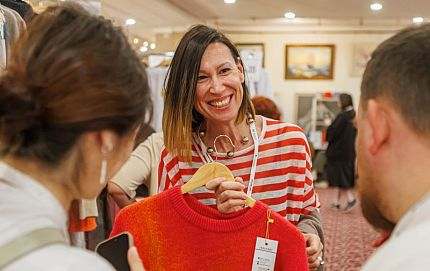
3 days, 200+ light industry factories, 10 countries: don't miss out on the leading industry event
From November 19 to 21, Moscow will host the 20th BEE-TOGETHER.ru exhibition, the main platform for fashion brands to find manufacturing partners.
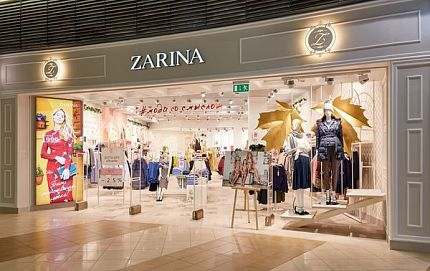
The name of a children's clothing brand is not just a word, but the first impression that stays with parents and is remembered by children. It should be simple, warm, easy to pronounce, and evoke pleasant associations—such as fairy tales, toys, or care. It is best to avoid complex words, incomprehensible abbreviations, and trendy clichés: the brand name should grow with the child, remaining familiar and recognizable. The main thing is that it sounds as if it was created with love, because that is what you feel at first glance.
For vacant seats. Why and how local clothing store chains are growing
The ten largest Russian clothing chains have opened about 500 stores over the past year and a half. PROfashion analyzed the growth statistics and asked experts to give their forecast for the further development of local market players.

The puzzle method
How to make your product stand out on the Wildberries marketplace in the context of an “endless shelf” in heated fashion retail niches?
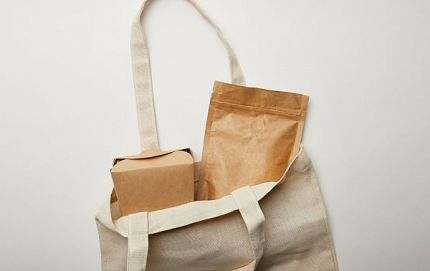
Why cotton shopping bags are no longer environmentally friendly
Textile shopping bags are no longer just a “green” alternative to plastic bags.

Choosing a name for a children's clothing brand is not just a formality, but the foundation for your story. A good name becomes a bridge between your values and the heart of your buyer. It can convey the quality, style, and character of your brand without saying a word.
Don't try to please everyone. The strongest names are born at the intersection of your vision and the needs of your audience—parents and children. Let it be simple, kind, and evoke pleasant associations. Check how it sounds, whether it is easy to remember, and whether your competitors have similar names.
Ultimately, a successful name is the magic button that ties the whole brand image together. It will work for you every day, inspiring trust and helping to create an emotional connection with families. Trust your intuition, because you are not just creating a label, but a future friend for many children.


