
Contemporary Russian cuisine is living history on a plate. It has long ceased to be just soup and porridge, although these dishes have not disappeared. Today, it is an intelligent and creative dialogue between a rich heritage and new ideas that have come from other cultures.
Chefs and home cooks look to the past with respect, but cook in new ways. They take old recipes and adapt them to the modern pace of life, using seasonal ingredients and lighter cooking methods. The key trend is honesty: honesty to the product, to tradition, and to oneself.
Local products are particularly important now. Siberian berries, Altai cheeses, Vologda butter, and fish from Lake Baikal are becoming the stars of the show. This is not just a tribute to the farm-to-table trend, but a return to our roots and an appreciation of the unique flavors of each Russian region.
Ultimately, modern Russian cuisine is delicious, diverse, and very sincere. It surprises, warms, and tells its story with every meal, inviting everyone to the table.
Modern Russian cuisine is not just borscht and pelmeni, but a living, changing culture that takes the best from the past and combines it with new ideas. Chefs across the country are returning to old recipes, but preparing them in new ways — lighter, brighter, with an emphasis on quality. Local products are in vogue: potatoes from the dacha, milk from local farms, wild greens and mushrooms. People are increasingly interested in where their food comes from and value honesty in its preparation. This is how Russian cuisine is becoming modern while remaining true to itself.
Historically, Russians have loved foreign cuisine more than their own.
Discussions about what Russian cuisine is still continue today. Many tend to talk about it in the past tense — it only existed in those days when recipes were carefully preserved by families. Then came the Petrine era, and with it French culinary traditions, which overshadowed our cuisine. Finally, the Soviet era arrived, when chefs' work was focused on feeding as many people as possible, and they were forced to cook according to the same standards and recipes. On the one hand, this cuisine was appealing in its simplicity, but on the other, it was too fatty and bland. Ultimately, we did not develop a unified gastronomic tradition, while in Europe, the culinary arts were cultivated over centuries, rather than being recreated under the influence of the times. Therefore, after perestroika, French and Italian restaurants filled the country, and people had a natural desire to come into contact with the West and the “gold standard” of cuisine that the whole world talks about.
Restaurateur Vasilisa Volkova on smart consumption, bar trends, and women in business Read
After 2014, the situation shifted in the other direction, and we started talking about our cuisine and our love for it again. Finally, we realized that there is nothing better than fish from local rivers and lakes, meat, and other products that are unique to this city or region.
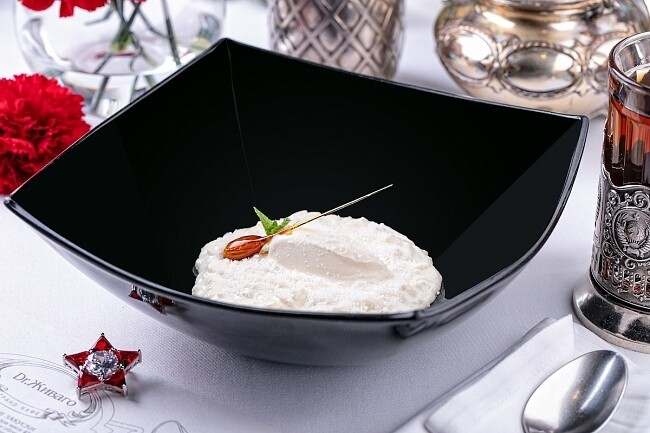 Soviet-style rice porridge, Dr. Zhivago restaurant
There are many stereotypes surrounding Russian cuisine.
Russian cuisine is considered to be very specific and consists almost entirely of fatty and bland dishes. It is not as universal and understandable as Greek and Italian cuisine. But in fact, every country has its own dishes that only locals can handle. Russian cuisine is a very broad concept, reflecting the unique characteristics of each region. The cuisine in Siberia is very different from what people eat in the Krasnodar or Astrakhan regions. But it is a great illusion that we do not like our cuisine. It is inherent in human genetic code to eat what we are used to from childhood, and, for example, soups are ordered quite often on the menus of Russian restaurants.
Another question is how Russian cuisine is presented today. We have already traveled around the world, visited European gastropubs, pubs, and other establishments, so when our entrepreneurs open yet another “Russian cuisine” restaurant with a kitschy interior and a menu that is not adapted to modern tastes, it only causes rejection. But now there are many establishments with signature Russian cuisine, where it is presented in a modern way.
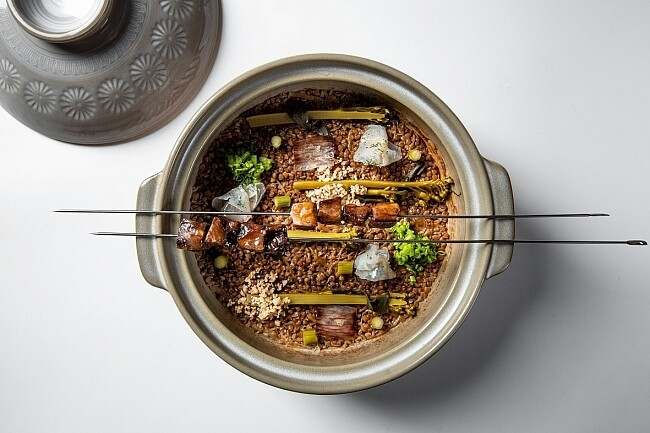 Buckwheat porridge from the Cyrillic set, Beluga restaurant
But you have to understand what Russian cuisine is all about. It's classic, modern, signature, and regional — all of that is Russian cuisine. For example, in Yakutia, the restaurant business has a long way to go, it's just getting started, but the local cuisine is amazing. Dishes are often served raw, such as stroganina (raw beef) and foal liver. Of course, it needs to be adapted for tourists. But because chefs, waiters, and local residents treat their cuisine with love, enthusiasm, and respect, tourists want to learn about it, and they are proud of it.
Lenten menu: the best offers in Moscow restaurants Read
Modern Russian cuisine — it's possible
Today, a new generation of chefs has emerged who are changing attitudes toward Russian cuisine and making it more contemporary. In 2018, a group of chefs from St. Petersburg presented and discussed our cuisine in a new interpretation at the renowned Madrid Fusion event. To pique the interest of a sophisticated audience, all products were offered as ingredients in original dishes. For example, Igor Grishchenko presented his own version of Russian shchi with kimchi, called “KimShchi,” made with chanterelle jam and salted honey mushrooms with sour cream and horseradish mousse with black caviar, and much more. In 2019, four chefs represented Russia at this forum: the Berezutsky brothers and the Grebenshchikov brothers. All of this was received with enthusiasm, and this is just the beginning. Our chefs and restaurants, which represent modern Russian cuisine, began to appear in the most prestigious rankings: The World's 50 Best Restaurants and The World's 120 Best Restaurants. As a result, this began to influence chefs from the regions, who started working with local products, creating local menus, and showcasing their uniqueness.
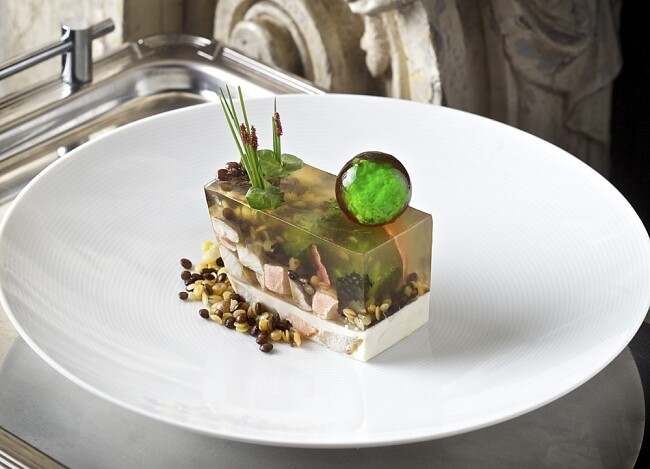 Fish aspic “Hush, Tanya, don't cry!”, Matryoshka restaurant
Contemporary Russian cuisine is living history on a plate. It is no longer frozen in images of pelmeni and borscht, although they have found their rightful place in it. Today, it is an intelligent dialogue between a rich past and global gastronomic trends, where respect for one's roots has become the main trend.
Its distinctive feature is its careful approach to local products. Sour cream from Vologda, fish from Lake Baikal, wild plants from Siberia, and cheese from a small farm in the Moscow region are becoming real heroes. Chefs and housewives are rediscovering forgotten recipes, turning rutabagas, turnips, and hogweed into exquisite dishes that are understandable to modern people.
The result is simple: modern Russian cuisine has gained confidence. It learns from the world, but speaks its own language — the language of native fields, forests, and artisans. It has become closer, more honest, and more interesting, offering everyone not just a meal, but a taste and spirit of a vast and diverse country.


