
When we hear “Veuve Clicquot,” we immediately picture an elegant bottle of sparkling wine. But behind this legendary name lies the story of an incredible woman who did not simply inherit the business, but turned it upside down.
In the early 19th century, Nicole-Barb Ponsardin, now a widow, took over the management of a small champagne house founded by her husband. In those days, it was not easy for a woman in business: she was not taken seriously. But she showed remarkable business acumen and wit.
Her genius lay in her ability to see further than others. She was one of the first to bet on exports, sending champagne to distant Russia, and won a wine dispute by proving that her wine could survive the long journey. She turned the bottle into a symbol of quality and luxury, understanding the power of branding long before the word became fashionable.
The story of the Widow Clicquot is not just a chronicle of the wine house's success. It is a lesson in determination, innovation, and a keen understanding of the market that is still relevant today. She didn't just sell wine — she sold a dream, and that dream still lives on in every glass of her champagne.
- First and foremost, it is about developing innovations to stay ahead of the competition technologically.
- Secondly, the creation of a premium brand and the “4P rule.”
- It was Madame Clicquot who invented test drives and promotional campaigns.
- The creation of “cult” products to increase prices and artificially generate hype was also Madame Clicquot's brainchild.
First and foremost, it is about developing innovations to stay ahead of the competition technologically.
Widow Clicquot developed and implemented the remuage process, which solved the problem of champagne cloudiness caused by sediment. This process involved gradually rotating the bottles so that the sediment collected at the neck. She also perfected the disgorging process, which allows the sediment to be removed from the bottle without losing a large amount of wine and pressure in the bottle. Remuage remains an important step in the production of traditional champagne and is still used in the production of premium champagne wines.
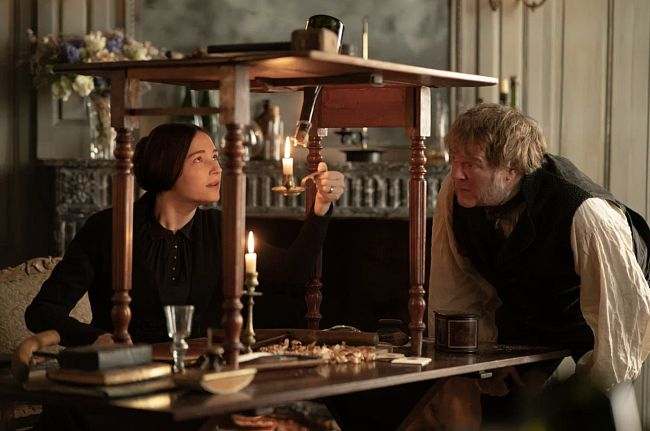
Secondly, the creation of a premium brand and the “4P rule.”
The widow Cléochet focused not only on high product quality, but also on brand prestige. She strategically built her brand and intuitively used the “4P rule”: a marketing theory based on four parameters: product (goods or services), price (markups and discounts), promotion (PR, advertising), and place (distribution, point of sale). It is believed that by controlling all these parameters, a product can be successful in the market. The “4P” model was first proposed and described by McCarthy in 1960. Madame Clicquot successfully used it 150 years earlier. She was one of the first to understand the importance of packaging in emphasizing the exclusivity of her champagne. Golden labels and exquisite bottles became a symbol of luxury and high status. She knew her audience well, so her champagne was not only high quality but also expensive, which is very important for high society. The fashion industry, for example, still uses this today — high prices motivate people with high incomes to buy certain brands.
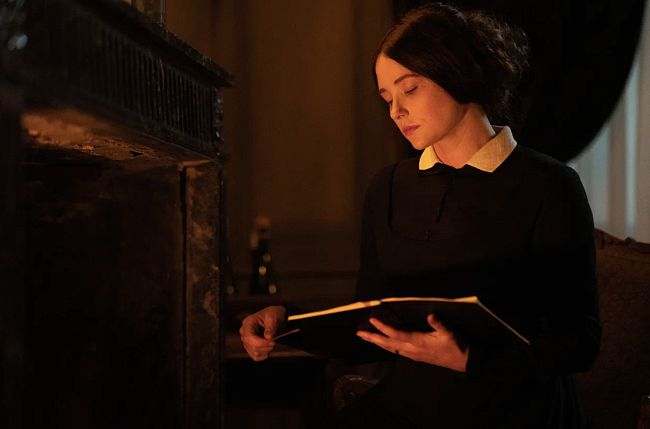
It was Madame Clicquot who invented test drives and promotional campaigns.
The test drive, I must say, was forced. In 1814, during the Napoleonic Wars, Russian troops took Paris. And the following year, they occupied the province of Champagne. Wine became the new gold. Russian soldiers liked Veuve Clicquot champagne so much that they decided to rob the cellars to take the wine home. It was then that Madame Clicquot uttered her legendary phrase: "Today they drink. Tomorrow they pay.This phrase turned out to be prophetic—for the next 100 years, the Russian Empire was the second largest consumer of sparkling wines in the world.

Barba-Nicole showed an amazing ability to turn crises into opportunities. After the war, when trade was limited, she managed to illegally send a batch of champagne to Russia. This risky move not only saved her business, but also made Clio champagne extremely popular in Russia after the war. Her willingness to make bold decisions and take risks paid off handsomely.
The widow Clio is not just a name on a bottle of champagne, but an example of rare courage and business acumen. When her husband died, she took over a business that no one took seriously and turned it into a legend. She was the first to understand the power of branding: she came up with a clean label to stand out from her colorful competitors, strictly controlled quality and deliveries, and even personally wrote letters to customers, from kings to merchants. Thanks to her, champagne ceased to be just a drink — it became a symbol of luxury, success, and celebration. And all this thanks to a woman who believed in her vision when no one else did.
The creation of “cult” products to increase prices and artificially generate hype was also Madame Clicquot's brainchild.
1811 was an outstanding year for winemaking. After an unusually hot and dry summer in France, an exceptionally warm autumn followed, bringing an extraordinary grape harvest, both in terms of abundance and high quality. Many attributed the climatic anomaly to the Great Comet, which everyone observed in the sky that year.
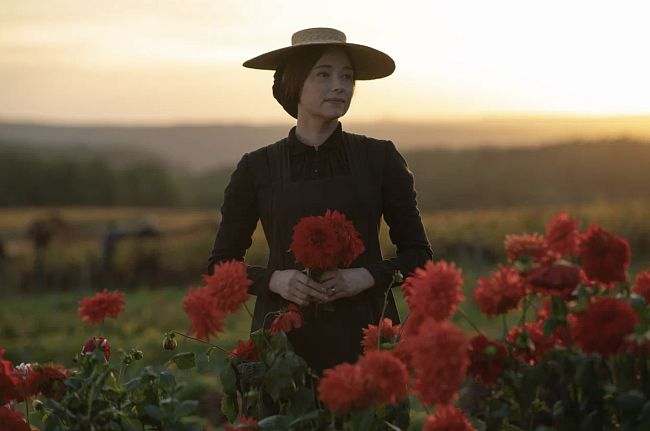
Madame Clicquot decided to make a separate brand out of this, naming the 1811 vintage “Comet Wine” and placing a shining comet on the label. She then sent letters to her main distributors in Russia stating that she was ready to provide them with Comet Wine on exclusive terms. Needless to say, the entire batch was sold out immediately. Local distributors also positioned this wine as extremely rare, so it instantly became popular among high society in Russia. So much so that it is mentioned in the fifth chapter of Pushkin's Eugene Onegin: "
It came in: and the cork hit the ceiling. Comet wine splashed out
Pushkin did not write these lines without reason; he emphasized the sophistication and status of the event at which it was served. Alexander Sergeyevich was a connoisseur of the good life, and in his works he often mentions symbols of luxury to create the atmosphere and characters of his characters. The mention of the “wine of the comet” by the widow Clicot in Eugene Onegin emphasizes not only the wealth and chic of the event, but also the general cultural context in which rare and high-quality wines were highly valued.
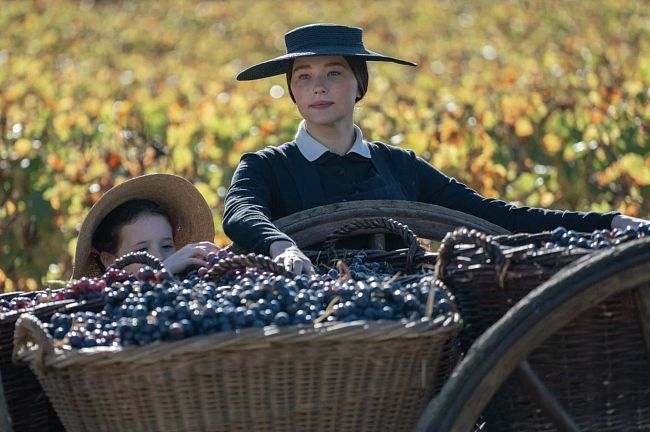
The story of the widow Clicquot is not just a tale of the rise of a wine house. It is a story of how the foresight and courage of one woman turned an entire industry upside down. At a time when business was considered exclusively a man's domain, she not only preserved her husband's business, but took it to unprecedented heights. Her decisions were so ingenious and timely that they changed the very perception of champagne.
Her marketing was intuitive but flawless. She understood the power of status and prestige, sending her wine to the courts of monarchs. She took risks by investing in new technology to remove sediment and make champagne crystal clear. And she made her brand a symbol of victory and celebration by associating it with the greatest events of the era. In essence, she created the very aura of luxury that still surrounds champagne today.
The genius of Barbe-Nicole Clicquot lies in the fact that she thought like a modern brand manager long before the concept existed. She built not just a successful company, but a legend that survived wars and revolutions. Every glass of Veuve Clicquot is not only the taste of a magnificent wine, but also the legacy of a woman who proved that true success is built on courage, perseverance, and brilliant business acumen.


