
A girl’s entire appearance can change significantly depending on her choice of parting. Finding a parting that accentuates her best features can help draw attention to her face shape and hair type, whether it’s for school, a special occasion, or just everyday wear.
A few standard partings to take into account are the side part, which is in style, or the traditional middle part. You can easily style it at home with a little practice, and each one can produce a different effect.
We’ll look at how to choose the ideal parting for a girl’s hair type and face shape in this guide, along with step-by-step instructions for achieving it. It’s not as difficult as you might think, and the outcomes can be very impressive.
| Type of Parting | How to Do It |
| Middle Part | Start from the bridge of the nose, move straight back with a comb, divide hair evenly on both sides. |
| Side Part | Begin slightly off-center, choose the side that suits best, use a comb to create a clean line. |
| Deep Side Part | Start closer to the ear, comb a larger section of hair to one side for a dramatic look. |
| Zigzag Part | Use the tip of a comb to create a zigzag pattern, alternating sides while parting the hair. |
- Popular varieties
- Face shape correction
- Selection factors
- Location of the line
- How to do: step-by-step instructions
- Video on the topic
- HAIR PARTING: Have you chosen the right hair parting?
- How to choose the perfect parting on the head for a girl and how to do it
- How to choose the perfect parting on the head for a girl and how to do it
- HOW TO CHOOSE A HAIRSTYLE BY FACE SHAPE (For Girls)
Popular varieties
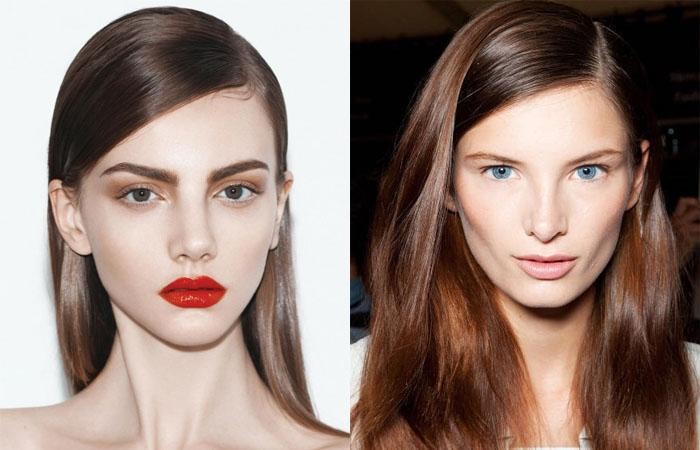
The line dividing the hair into sections is called a parting. In the past, the line was drawn from the forehead to the crown, and if needed, even farther to the back of the head, along the center of the head. As a result, the sides of the head had an equal amount of hair.
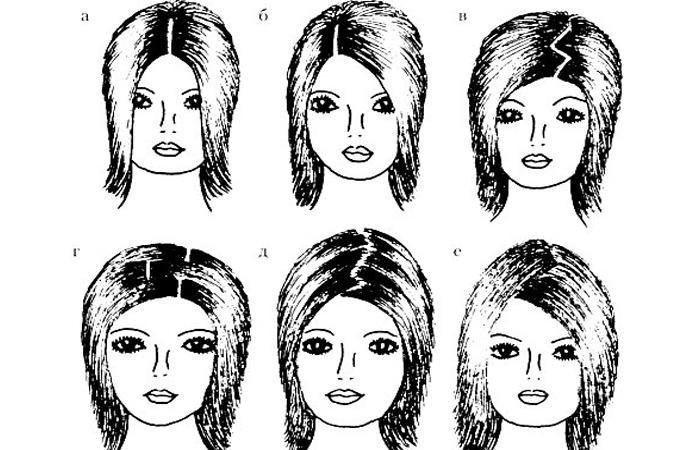
There are several variations of partings nowadays. Apart from the traditional straight, the subsequent variations are also widely used:
- Diagonal or oblique. The parting line of the hair is drawn diagonally.

- Side. The hair is divided unevenly. There is more hair on one side.
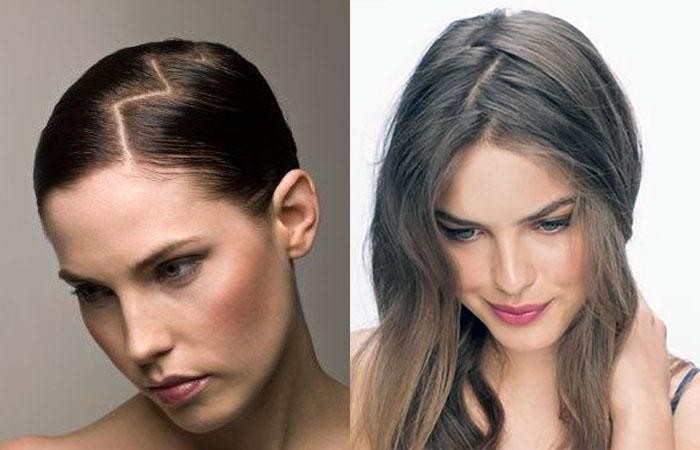
- Zigzag (uneven, crooked). The line is drawn in a figured manner, imitating a zigzag.
- Chess. Considered decorative. Strands are alternately thrown in different directions, imitating the cells of a chessboard.
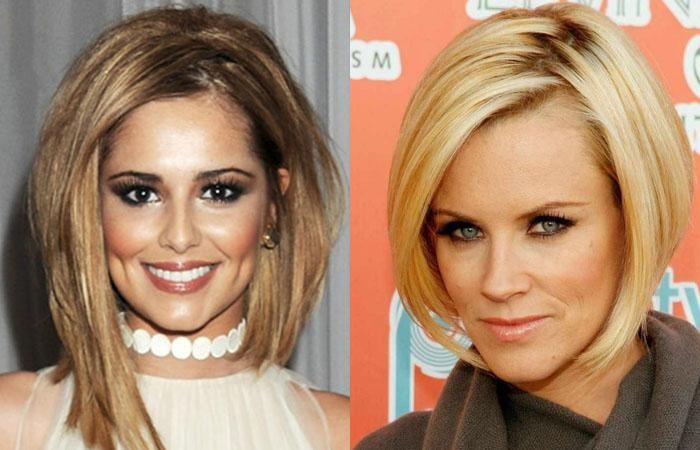
- Wide. The parting not only performs the function of separation, but also decorates the hairstyle. The hair is not simply parted on the sides. The hair near the line is specially shaved, expanding the width.

- Narrow (sparse). The parting line the hair is not deliberately highlighted. A parting is formed naturally. The element is present, the line is barely distinguishable.
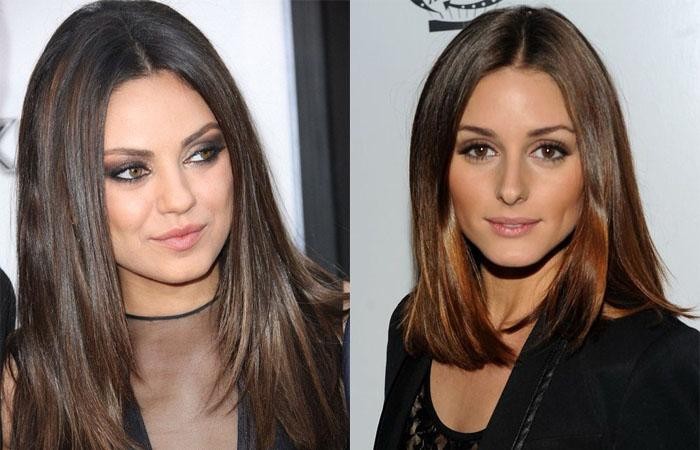
Kindly take note! Occasionally, the hairstyle is voluminously styled with the bangs specifically parted to the sides, without drawing attention to the parting. It is more common to use a straight line in this situation.
A girl’s overall appearance can be improved by finding the ideal parting for her hair, which will balance her facial features and add style to any hairstyle. Whether it’s a side, deep, or middle part, the important thing is to select a parting that accentuates the contour of the face. Once the ideal type has been selected, parting the hair neatly is as easy as using a steady hand and fine-tooth comb to divide the hair evenly and style it for a polished look.
Face shape correction
The most common purpose of parting is to adjust the facial shape. Any option may be used by the right oval owner. The harmony of the features of the ideal oval type will be emphasized by a classic straight strip in the middle of the hair. In other circumstances, it is advised to think about the following:
- A diagonal parting suits everyone. A beautiful oblique line will help balance the proportions of a round, square (rectangular), diamond-shaped, elongated oval.
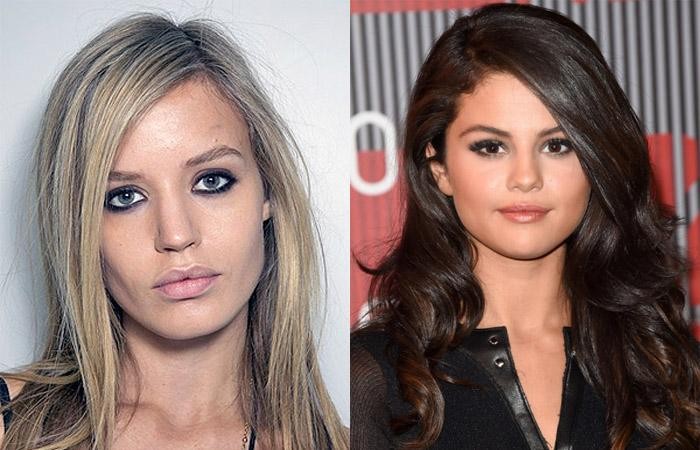
- A side parting will suit a girl with a triangular, elongated, heart-shaped face.
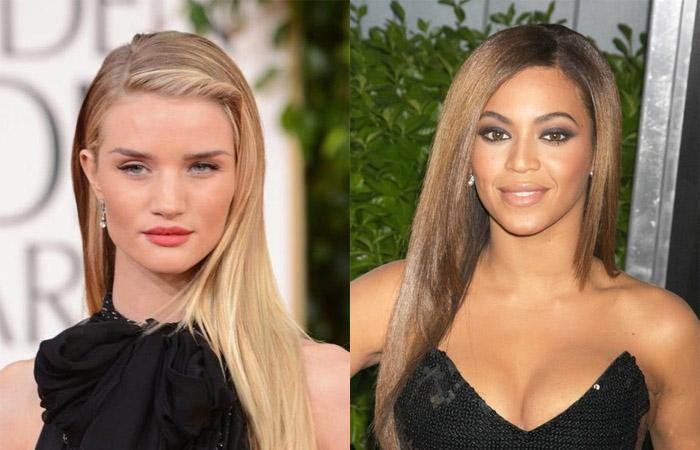
- Zigzag is contraindicated for ladies with a triangular oval. The presence of additional angles emphasizes sharp features. The option will not be the best solution for women with a narrow, elongated oval. The rest of the design suits, helps to express individuality more vividly.

- Checkerboard, wide parting is not recommended for owners of a round, square oval. Horizontal strokes will aggravate the increased width, lack of length of the face.
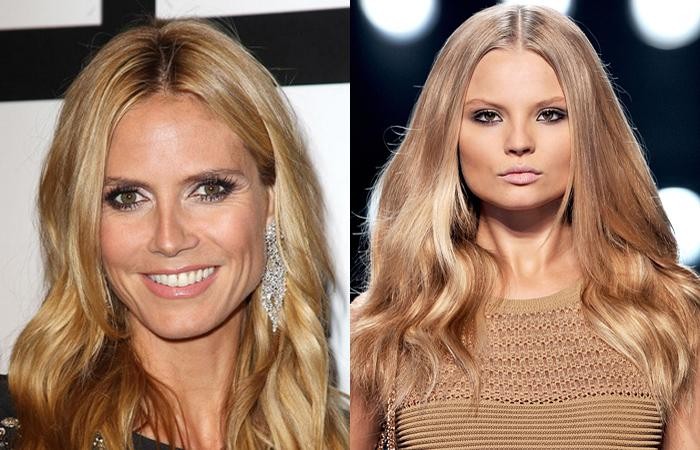
Owners of a rectangular, elongated oval should be told categorically "no" when it comes to choosing the straight option. It is acceptable to try the classics while wearing a round, triangular face. Simultaneously, it’s critical to achieve harmony in the hairstyle by using additional "tools" to shade the flaws.
Selection factors
Parting is not limited to improving facial morphology. The following uses for a hair strip that divides the hair into sections are as follows:
- Diagonal (oblique) parting will help to visually increase the volume of hair. The option is often used to create lush hairstyles. The line sets the asymmetry, which is important for the corrective abilities of the element.
- A wide parting will help to place accents, successfully divide an asymmetrical hairstyle into parts. The option is often used for short haircuts with reduced length at the back of the head, elongated crown-parietal part. The design method is inappropriate for long, sparse hair.
- Zigzag, checkerboard options diversify, refresh the hairstyle, add splendor to the hair. Figured lines will help to hide growing roots that need coloring.
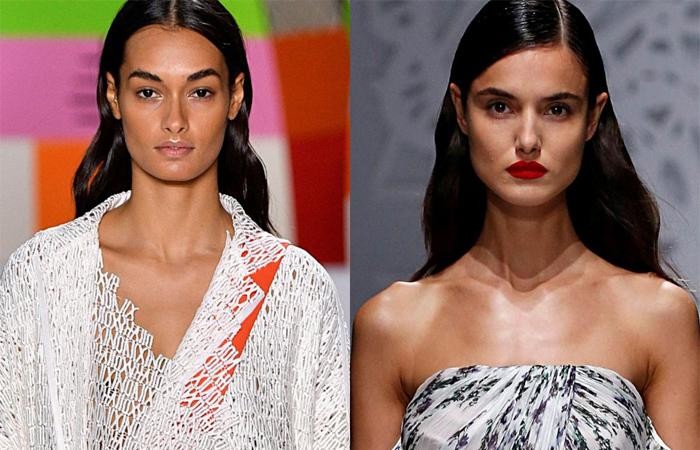

The intended shape of the haircut influences the parting type selection as well. A straight line is typically made for a classic bob, a side line for a bob with elongation or asymmetry, and a diagonal line for a "Cascade" bob. Overlapping strands of hair in a zigzag pattern, akin to a checkerboard, often enhance celebratory hairstyles.
There are a few odd ways to part ways, like to the side, with two lines, or crossing.
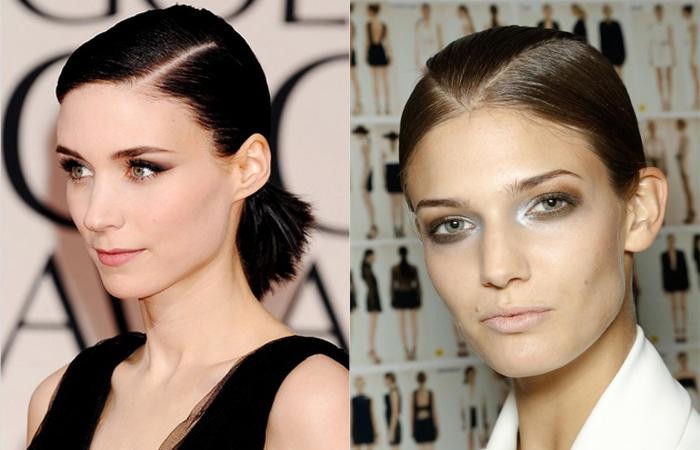
Suggestions. You should try to apply the model you like to your appearance and evaluate it objectively. When in doubt, it’s best to get advice from a hairstylist to make the best decision.
Location of the line
The simplest method for determining where to place the hair’s straight parting. From the forehead to the back of the head, a line is drawn in the center of the head. In other situations, you’ll need to determine the best location for the border that separates the hair into sections.
It’s critical to consider individual preferences as well as any flaws or prominent features. The other side is the focus of attention. For instance, the nose is turned to one side, the eye is squinting, and there is a big mole on the face.
It should be considered if there is an area of the oval where the features are more prominent. This is assessed visually or through the application of makeup on a sanitized sheet of paper to the face. The predominance will be indicated by a brighter imprint.
There’s no need to concentrate on gorgeous photos. Magazine models sometimes don’t look like real people. It is advised to select engaging options and make an effort to put concepts into practice.
How to do: step-by-step instructions
The process of creating a linear parting is very simple. Simply use a comb to draw a line in the designated spot on clean hair. The tool’s standard part with teeth or a turn with a special knitting needle can be used. On either side of the line, the hair is parted.
Figuring out a parting is more challenging. Follow the following plan of action:
- First, decide on the format of the lines, the frequency of repetitions, the location of the element itself.
- Start drawing a strip from the forehead. It is easier to work with damp strands. Using a comb, pick up a strand of the desired volume, move it to the desired side. Secure the division with a hairpin or immediately fix it with a styling product.
- Draw the next line of a complex figure, move the strand in the opposite direction.
- Act in a similar manner until the planned section is completely processed.
- Spray the line with hairspray, and make the chosen hairstyle step by step.

It is not advised to perform a wide parting on your own. Incompetent behavior can detract from the haircut’s appearance. Usually, the main shape of the hairstyle and this detail are cut at the same time.
A woman’s short, medium, or long hairstyle greatly depends on her head parting. There are various line options that can alter how external data is perceived. Approaching the selection of this seemingly trivial detail is crucial.
Expert advice on choosing a haircut that is helpful:
- for an elongated face;
- for a rectangular face;
- for lop-eared girls;
- for a small face;
- for a triangular face;
- for owners of a short neck;
- for a full face.
A girl’s hairstyle can be completely changed by selecting the ideal parting, which will improve her overall look and features. You can choose a parting that better fits her style and personality by being aware of the various partings and how they contrast with different face shapes.
Take into account the desired look, the texture, and the natural direction of the hair when creating a parting. The way the hair frames the face can be significantly altered with a small adjustment, which will also add harmony and balance to the entire appearance.
Finding the ideal parting requires trying out various combinations. Try out a few different looks until you figure out what suits you the best. You will be able to achieve the ideal parting that accentuates a girl’s inherent beauty with a little practice.


