
Examining 19th-century hairstyles provides a fascinating window into the sophistication and complexity of the time. Women’s hair was meticulously styled to suit both special occasions and everyday wear. Ball hairstyles glistened with intricate designs and embellishments, while everyday hairstyles were sensible yet fashionable.
A woman’s hairstyle played a significant role in her overall appearance in the 19th century. Simplicity was essential for day-to-day living, with waves and curls frequently pinned up in gentle, manageable styles. These ensembles were stylish and practical, appropriate for going about daily activities without sacrificing sophistication.
Hairstyles for more formal occasions, like balls and parties, evolved into works of art. Women adopted dramatic updos and frequently accessorized them with jewels, feathers, and elaborate braids. These ostentatious looks emphasized their social standing and gave their evening wear a glamorous touch.
Examining these historical hairstyles shows how they were about the ultimate expression of social and personal identity in addition to fashion. Elegant and sophisticated styling was used to create hairstyles of the 19th century, suitable for both formal events and everyday wear.
| Style | Description |
| Pompadour | Voluminous style with the hair swept back and up, popular for both daily and formal events. |
| Chignon | Neat bun at the back of the neck, often used for elegant evening gatherings. |
| Curls and Ringlets | Soft curls or ringlets framing the face, suitable for both everyday and formal occasions. |
| Side Part | Hair parted to one side, giving a polished look for daily wear and slightly more sophisticated for evening events. |
| Loose Waves | Soft, flowing waves for a relaxed yet refined look, versatile for both casual and formal settings. |
- Characteristics of the era
- Characteristic features of hairstyles
- Relevance today
- General recommendations for execution
- Modern haircuts and styling options
- Star examples
- Video on the topic
- A simple hairstyle FOR EVERY DAY😍 everyone will repeat #shorts
- Easily and quickly collect hair with a Crab
- stylish hairstyles for school, 🦋"
Characteristics of the era
Throughout the 19th century, fashion trends were cyclical. The Great French Revolution brought about a backlash against the rococo style, which was considered grotesque and noble. The luxury of the era gave way to the simplicity and laconicism of antiquity. Greek hairstyles such as "Psyche’s Knot" and "Victim’s Hairstyle" are evident; these consist of short, curly hairstyles that resemble death-row inmates.

For roughly twenty years, there was a laconicism of forms and a desire for naturalness. Girls’ clothing was also influenced by antiquity. High-waisted dresses were popular, and garments were made of velvet and brocade, among other materials. Every occasion had a unique attire; gowns for walks were made of thick cloth and were closed. Ball gowns were characterized by an open neckline, a fitted silhouette, and light, airy fabrics.
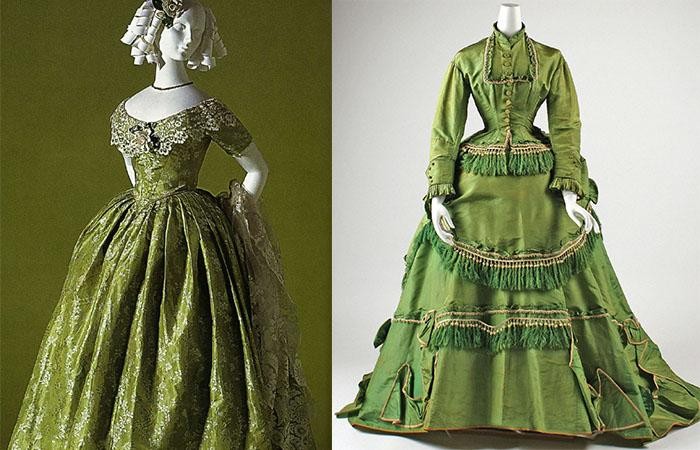
Simple forms gave way to new and more complex ones over time. There was a hairdo with coiled hair at the temples and a tidy braided basket on the back of the head. During this time, which saw a shift from the Empire to the Victorian era, young women turned to intricate Rococo designs while attempting to emulate antiquity.

The crowning of Queen Victoria, who opted for a rather straightforward hairstyle with two braids, marked a turning point. Buns and textured curls start to become popular around the middle of the 19th century, when the Romantic period begins. The "home angel," a pretty but shy girl whose primary quality was meekness, becomes the embodiment of the ideal of beauty. The romantic era demands new shapes; the voluminous sleeves become neat and graceful, and the waistline gradually lowers. Horsehair crinolines are used instead of fluffy skirts. A slim waist draws attention to the voluptuous bottom, and the V-neckline gains popularity.
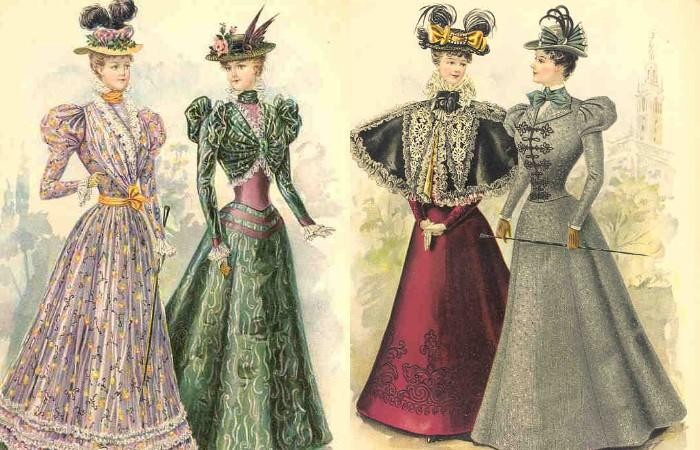
By the mid-1800s, crinolines have significantly increased in volume. A whalebone frame is used to create the desired effect. Skirts take on a flattering shape at the front and become voluminous at the back as they narrow toward the waist and widen downward. Chignons become fashionable hairstyles; they were worn in the back, crown, and even the bangs at various points in history. The first chemical curling techniques are introduced.
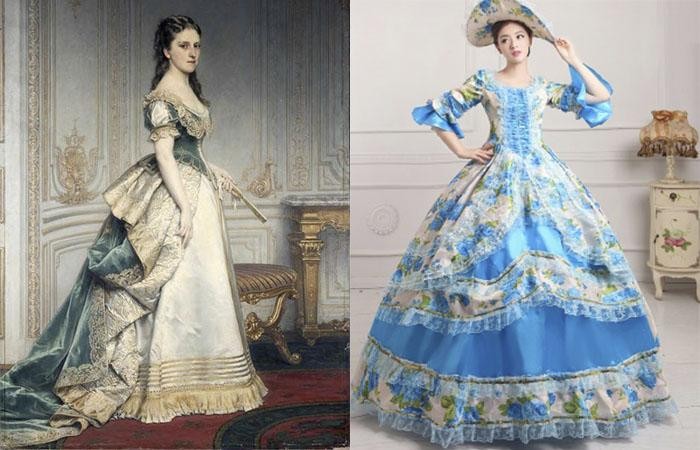
Exquisite shapes and high hairstyles were prevalent in the 1870s–1880s fashion. False curls helped add volume, and both straight and curled bangs were in style. Hairstyles become smoother, more basic, and have a center parting until the end of the 19th century. The bulk of hair is held up at the back by gold nets, which were used as fashion accessories and frequently embellished with priceless stones. The Pompadour hairstyle first appears in the latter years of the Victorian era. There were numerous variations of this styling, with curls pushed up and several strands falling close to the face.

Dark brown hair replaces blonde hair, and the Queen Victoria personality cult has a similar effect on the standards of beauty. Tan and blush were indicators of lower social status; pale porcelain skin was prized.
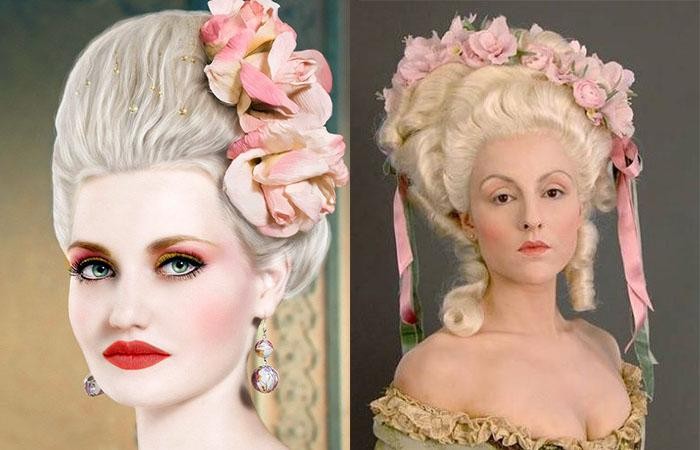
By the way! Young women avoided using a lot of bleaching powder by covering their skin with hats, gloves, umbrellas, and sometimes by staying inside during clear, sunny days.
A lot of emphasis was placed on the appearance; to get the desired languor, poisonous extracts were buried in the eyes, slowly killing fashionistas. The variety of decorative cosmetics and the appearance of new lip and eyelid makeup formulations were also impacted by the industry’s growth. The goal of applying coloring compounds was to create a natural look. In affluent society, cosmetic use was frowned upon.
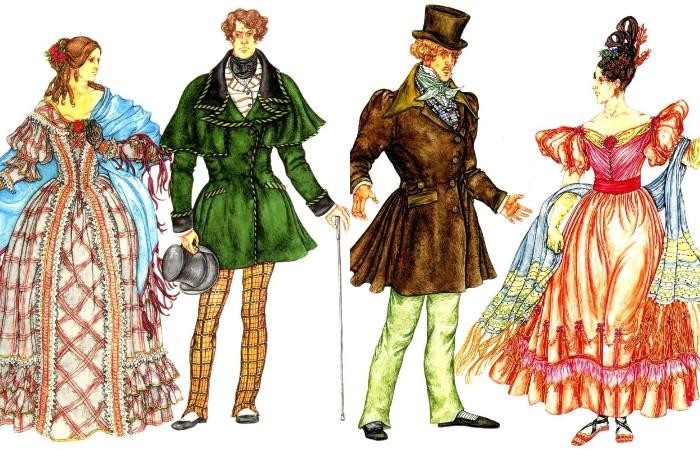
Men"s fashion was less changeable, throughout the century it was distinguished by consistency. The wardrobe consisted of a tailcoat, tailored at the waist, a vest, a tie, long narrow trousers, a top hat. Dark colors prevailed, only details and accessories were bright. The forms of the suit became more free due to the processes of industrialization, as well as the popularization of games and cycling. The Victorian era is considered the heyday of dandyism. This is the name for young people who dictate fashion trends, adhering to a certain code. The main idea was elegant modesty, a lot of time was devoted to the selection of a suit, it was necessary to avoid vulgarity and arrogance.
Characteristic features of hairstyles
Similar to suits, men’s haircuts did not change much over the century. In addition to a straight parting, short strands were curled. Smooth hairstyles were the norm in high society; powder and oil compositions were used to create an artificially glossy look. Mid-nineteenth-century fashion called for medium-length hair parted on the side. On one side, strands curled in the direction of the face. A side parting, clean-shaven facial hair, and bald patches on the temples were common features of the "Puritan" hairstyle.

Short hairstyles for women featured a smattering of tiny curls. False chignons made it simple to change these types of hairstyles. Tiaras and pearl threads combined gave the picture a somber appearance. At the turn of the century, when antiquity dominated fashion, these haircuts were fashionable. You can read how to make tiny curls at home on our website.

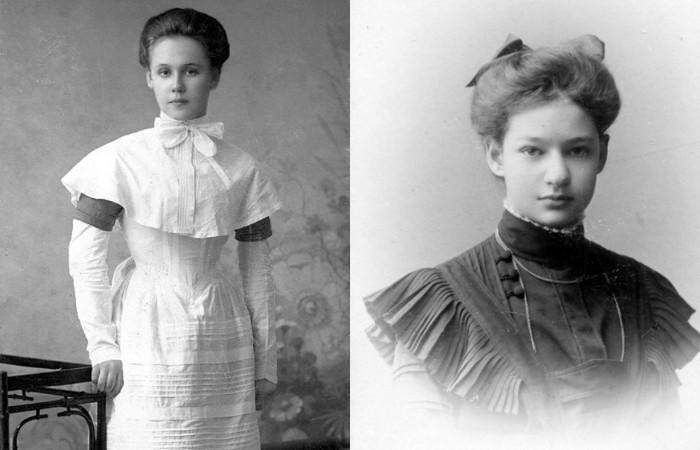
Gymnasium hairstyles were characterized by their simplicity and modesty. After brushing it back, the hair was gathered into a bundle or braid. The young ladies studied painting and housekeeping in addition to languages. Packed neat styling highlighted the students’ humility and meekness. A black bow could be the sole ornamental piece used to adorn curls. Such styling prevented students from being sidetracked from their studies; the closed form allowed them to focus solely on their studies without being sidetracked by visions of balls and brand-new underwear.
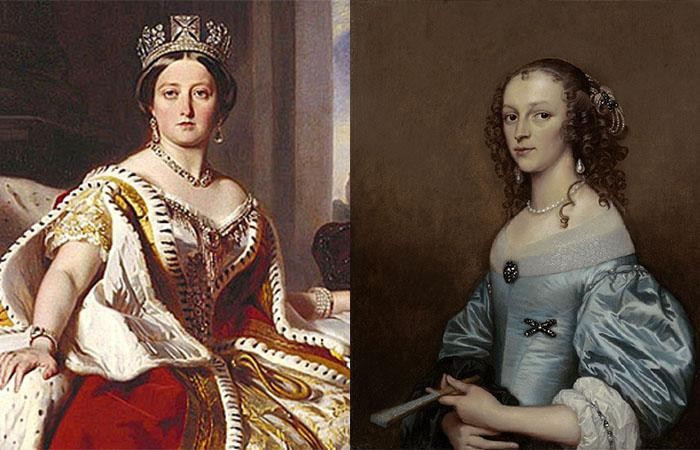
Queen Victoria set fashion trends in England. The woman was given the title of "home angel," her hair was arranged in chastity and obedience. The primary duties included raising the kids and maintaining order in the home. It was considered inappropriate to wear loose curls in the patriarchal society. Throughout the Victorian era, light, golden hair—which gained popularity during the Baroque and Rococo periods—was thought to possess a unique, mystical power.
Young ladies no longer need to lighten and dye their hair; dark shades are becoming more and more popular. More intricate models are back in style, following the trend of vintage hairstyles. The curls were arranged in a basket, braided, and wire-secured. When Queen Victoria was younger, she liked a straightforward hairstyle with two braids at the temples.
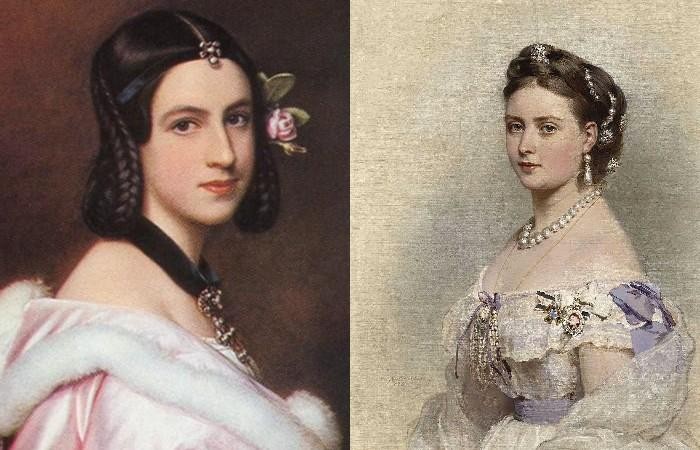
The fashion of Europe was emulated in the Russian Empire. Hairstyles with lush layers separated by a central parting were fashionable. The hair was arranged in varying diameter curls. The strands were carefully extracted, leaving them shiny. Around the middle of the century, when Pushkin lived, high chignons were fashionable, with the hair at the temples left loose and curled into tight spirals.
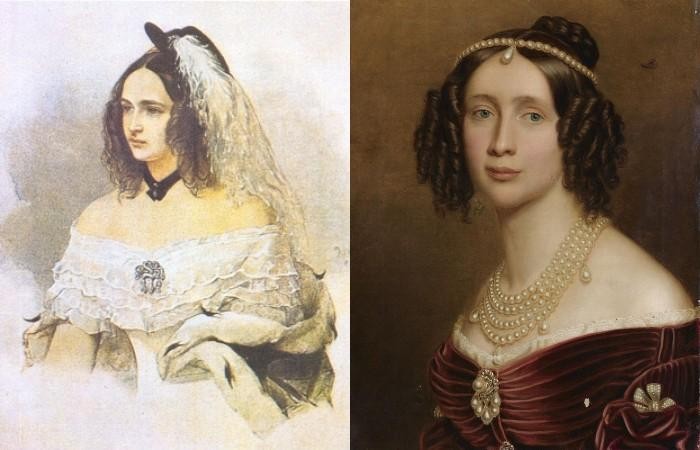
Silver Age hairstyles were characterized by elegance and minimalism. The rise of societal dissatisfaction with the nobility is linked to the end of the 19th century. Fashion also changes; carefree curls give way to well-groomed hairstyles. Large, supple curls were applied to the crown of the shock using a braid or tourniquet. The main volume of the hair was worn in a headdress-like fashion around the head. was chosen by married women because it highlighted the image’s elegance and restraint.
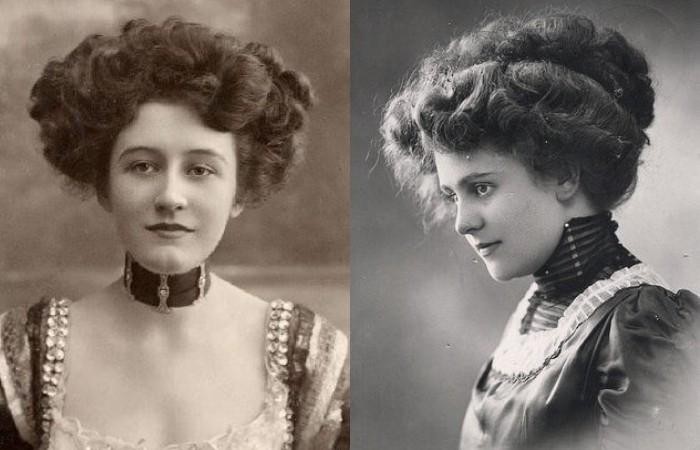
Curls gathered close to the face and falling strands on the back of the head were characteristics that set apart models from the 1870s to the 1880s. European hairstyles were characterized by elaborate hats, a trend that was rapidly gaining traction. adorned with tiaras, feathers, ribbons, and brooches. The 1980s beauty ideals, which emphasized the exquisite line of a slender swan neck, are still relevant today.
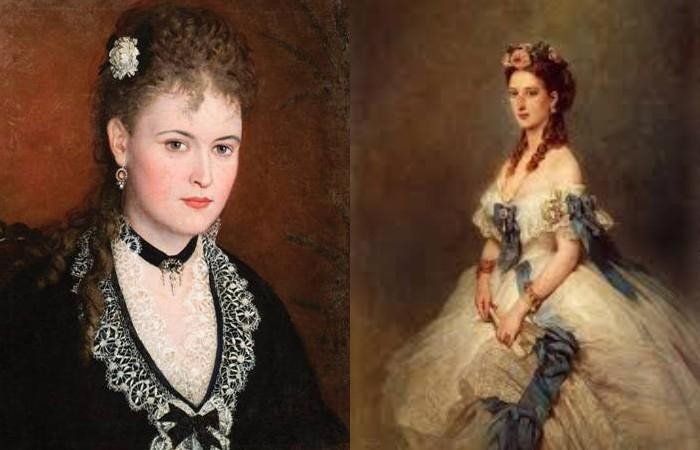
Ballroom hairstyles were characterized by their use of opulent, exquisite accessories along with their higher shape. Playful curls on the back of the head and backcombing were pertinent hairstyles. The desired volume could be achieved with the use of frame wire and chignons. A décolleté and open neck accentuated the grace of a wasp waist and enormous, opulent crinolines. It was not customary to wear your hair loose for a ball; instead, you could add symmetry to your messy hairstyle with a variety of curls.
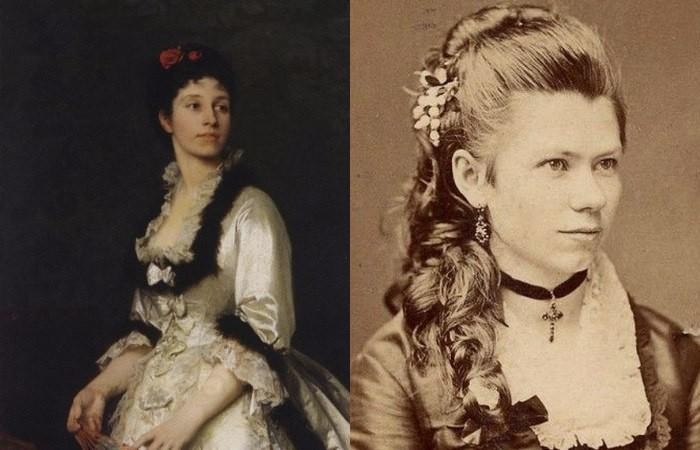
Relevance today
The days of light, textured, and uniquely styled curls are long gone. Even now, certain components are still utilized in festive hairstyles. The modern rhythm of life necessitates practical, light, dynamic haircuts and styling; complex 19th-century models are not appropriate for everyday wear. Muslin young ladies have remained stuck in the romantic era. You should reserve the use of options with distinctive waves or curled strands for special occasions.
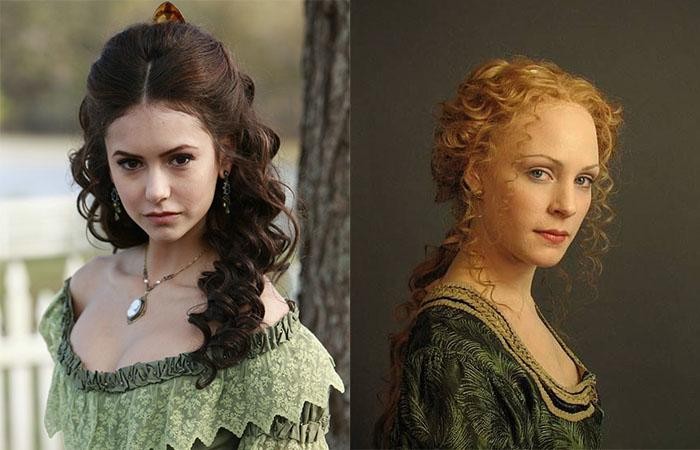
For whom are they appropriate?
- young ladies under 40 years old, at a more mature age, you should abandon curls in favor of simple, elegant forms;
- hairstyles are combined with festive outfits, ball gowns, classic style;
- are suitable for special events, balls, dinner parties, at a noisy party and in everyday life, neatly laid curls will look out of place;
- will decorate regular, oblong, triangular ovals, thanks to the curls near the face and the voluminous crown, the hairstyle will correct round and square ovals.
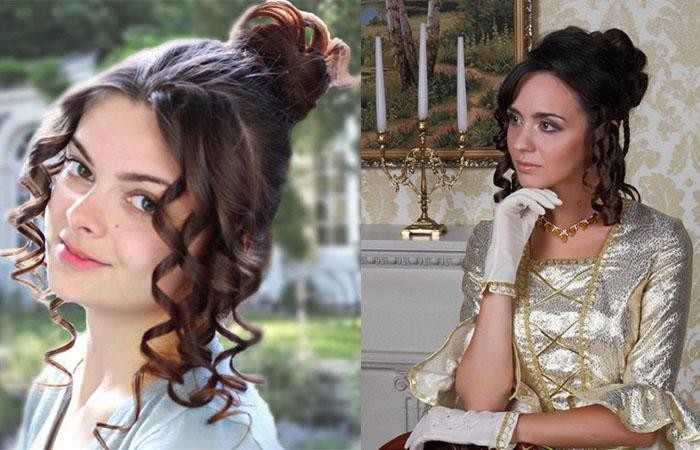
General recommendations for execution
Women’s hairstyles frequently changed during the 19th century due to fashion’s transient nature. Hats received special consideration; occasionally, they were more expensive than the clothing. The models’ collected hair, curled into tight curls and styled in a unique way, was one of their standout features. The shoulders and neck’s exposed lines gave off an exquisite, feminine vibe. And nowadays, girls design sophisticated hairstyles to accomplish a similar result.
These are the greatest models for special occasions in the modern world, once they were used on a daily basis. If you focus on the details, you can even make an eye-catching, original image for yourself. However, hiring professionals is still preferable for ostentatious, celebratory images. A true masterpiece will be crafted by a skilled artist who will consider appearance.
How to style your hair in the 19th century:
- Wash your hair with shampoo, blow dry with a blow-dry comb, adding volume at the roots.
- Part your hair in the middle.
- Treat the main part of your hair and the ends with a heat protectant. Curl with a conical curling iron.
- Style the curls at the temples in symmetrical rows
- Gather some of the strands at the back of your head, form a high bun, and secure with bobby pins.
- Spray your hair with hairspray, and decorate with appropriate decor.
Equipment for creating your hairstyle:
- a brush with natural bristles, a blow-dry comb, a thin comb for parting;
- Styling products – foam, mousse, wax, gel;
- Heat protectants;
- Hairpins, bobby pins, elastic bands;
- False hairpieces;
- hair accessories.
Women’s hairstyles underwent a fascinating evolution in the 19th century, reflecting both the grandeur of formal occasions and everyday practicality. Ballrooms were the venue for elaborate, intricate designs that showcased women’s creativity and social status, while women preferred simpler, more manageable styles for everyday wear that fit their roles and routines. This contrast demonstrates how the era’s hairstyles expressed a woman’s social standing and way of life in addition to her physical attractiveness.
Modern haircuts and styling options
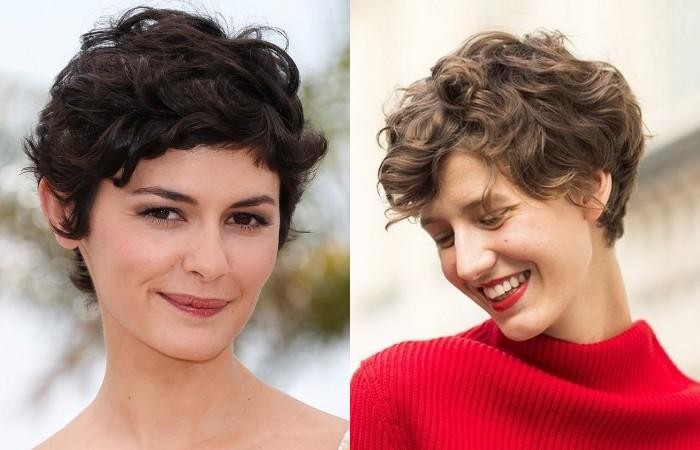
On short hair, fun, textured curls can be made. The early 19th century saw a similar dispersal of strands. Fit for young women of all ages when paired with different fashion fads. This stylish haircut requires little effort to style and can be worn every day. Those with curly hair will value its benefits. It will adorn petite girls with a refined, elegant silhouette. You can create a festive option with unique hair decorations.
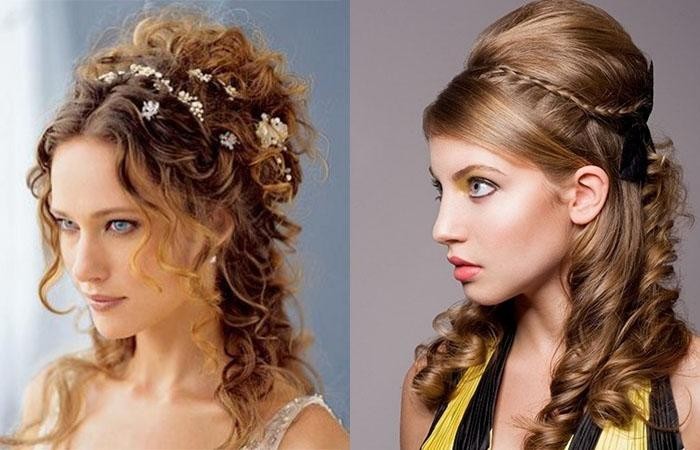
On medium- and long-hair, hairstyles with curls at the temples are worn. Elegant dresses with a touch of class are paired with classic styling, ideal for young ladies. Corrective properties can be applied to triangular, round, and square ovals by using strands close to the face. paired with pretty flower headbands, pearl threads, and ribbons. completed on wavy and wavy strands, which will adorn the bride’s picture.

Hairstyles gathered at the back of the head work well on a variety of age groups; young girls and older women can wear them however they choose. A clean form with a hint of wave is in line with current hairstyles. These models are appropriate for both curvaceous and slender women. Traditional choices are paired with formal business suits as well as evening gowns.
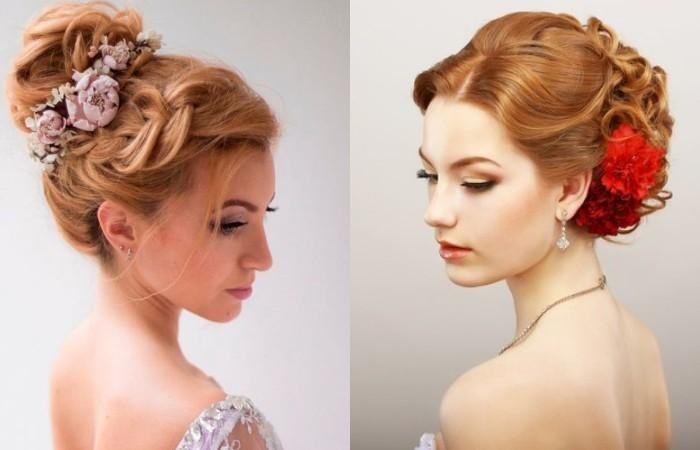
The current fashion is for curly locks to cascade over the back of the head. In addition to using real hair to create a cascade of waves, false hairpieces are also used to add volume. Fashion is cyclical, and styling reflects this. However, while it was used on a variety of occasions in the 19th century, the modern model is reserved for exceptional events.

Schoolgirl styles are still in vogue today. Tiny, thoughtless strands give the picture a contemporary feel. A great daily model is appropriate for a variety of age groups. Curls close to the face draw attention to certain features and have a corrective, revitalizing effect. Suggested for young girls, but appropriate for ladies of Balzac age as well.

Star examples
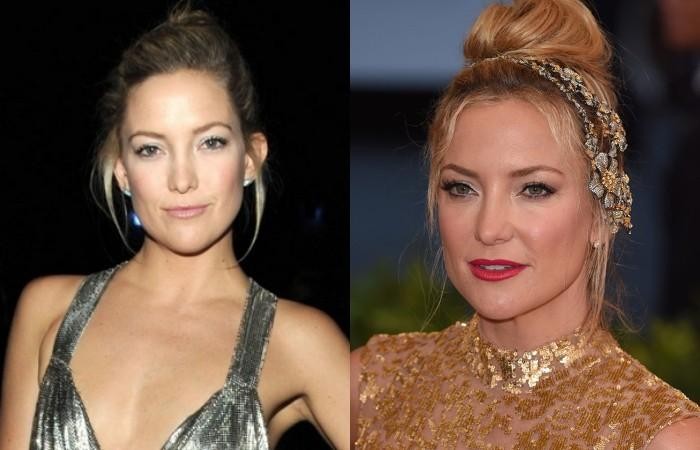
Kate Hudson recreates 19th-century hairstyles that are comparable. However, in a contemporary interpretation, straight strands are emphasized close to the face in place of curls.
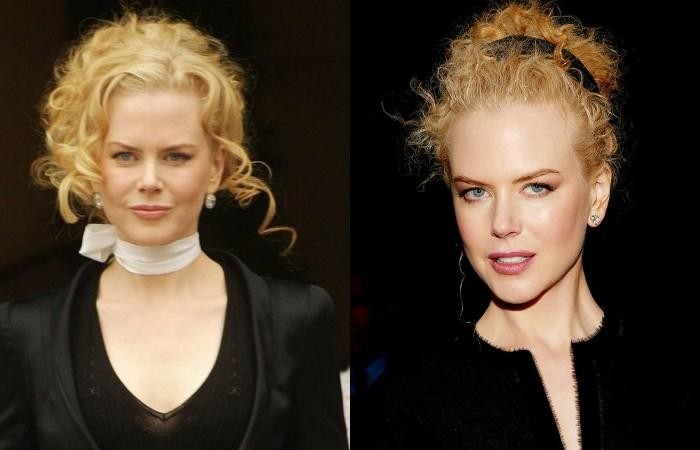
Nicole Kidman looks great in both the romantic and collected empire hairstyles. The actress’s regular features, thick curly hair, and chiseled oval shape are highlighted by the lush styling.
With her timeless appearance, Margot Robbie is a stunning actress who looks stunning in any style.

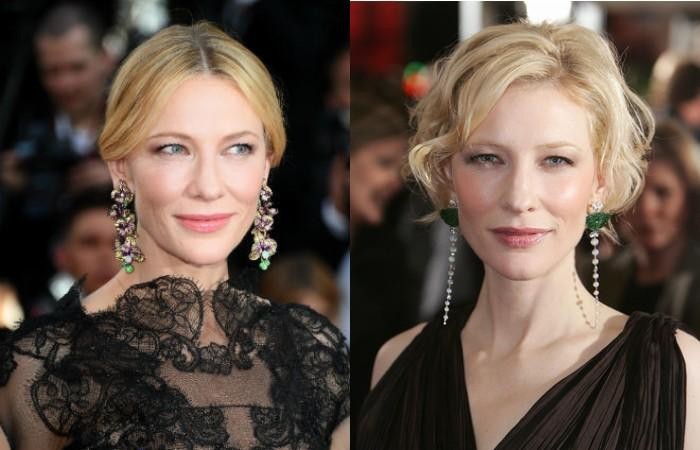
Refined Cate Blanchett, as though she had stepped out of one of Jane Austen’s books.
Anna Karenina was expertly portrayed by Keira Knightley. For rituals and social gatherings, the actress also selects pictures from the latter part of the 1800s.

We examine various historical hairstyles to determine which ones are still appropriate today:
- hairstyles of Ancient Greece;
- ancient Roman options;
- hairstyles of the 17th century;
- styling in the empire style;
- rococo models;
- medieval hairstyles;
- hairstyles of Ancient Rus".
Examining hairstyles from the 19th century shows how women’s fashion evolved in an intriguing way, fusing elegance and usefulness. Simple, effortless hairstyles were the norm, with easy buns and gentle curls being popular options. These looks allowed women to look put together while still meeting the demands of daily life.
However, ball gowns required a little bit of extravagance. Women preferred ornate updos with embellishments like jewels and feathers for these kinds of events. These elaborate hairstyles demonstrated their social standing and sense of style in addition to matching their formal clothing.
The hairstyles of the 19th century demonstrate how fashion mirrors wider social trends in both casual and formal settings. Whether they opted for simple or ornate styles, women’s hairstyle decisions were ultimately a synthesis of sensibility and individuality. Studying these past fads can help one appreciate the history of hairstyling on a deeper level.


